Which Is the Best Delhi Tour Itinerary for 2 Days?
July 24, 2026
Which Is the Best Delhi Tour Itinerary for 2 Days?
Delhi is a city where centuries of history blend seamlessly with modern urban life. As the capital of India, it offers travelers an extraordinary mix of grand Mughal monuments, colonial architecture, colorful markets, spiritual landmarks, and vibrant food streets. If you have only two days to explore this fascinating city, a carefully planned Delhi Tour itinerary will help you experience its most iconic attractions without feeling rushed. Whether you're a history enthusiast, a foodie, a photographer, or a first-time visitor to India, Delhi promises unforgettable memories at every turn.
A two-day itinerary allows you to explore both Old Delhi and New Delhi, each offering a completely different atmosphere. Old Delhi immerses you in bustling bazaars, centuries-old mosques, and traditional street food, while New Delhi showcases wide boulevards, lush gardens, government buildings, and magnificent monuments. With proper planning, you can comfortably cover the city's highlights while enjoying local cuisine, shopping, and cultural experiences.
Why Choose a 2-Day Delhi Tour?
Many travelers use Delhi simply as a gateway to other destinations like Agra or Jaipur, but the city itself deserves dedicated exploration. A well-planned Delhi Tour gives visitors enough time to understand India's rich history, diverse culture, and architectural heritage.
Two days provide the perfect balance between sightseeing and relaxation. Instead of rushing from one monument to another, you can spend quality time exploring historical sites, interacting with locals, tasting authentic cuisine, and discovering hidden gems that many tourists overlook.
The city's excellent metro system, wide range of private taxis, guided tours, and organized transportation options make traveling between attractions convenient and efficient. Families, solo travelers, couples, and business visitors can all enjoy a comfortable sightseeing experience regardless of their travel style.
Day 1: Discover the Heritage of Old Delhi
Begin your morning early with a visit to the magnificent Red Fort, one of India's most famous UNESCO World Heritage Sites. Built by Emperor Shah Jahan in the 17th century, this massive red sandstone fortress served as the primary residence of Mughal emperors for nearly two centuries. Walking through its grand gates, royal halls, museums, and beautifully landscaped gardens offers a fascinating glimpse into India's royal past.
Just a short distance away stands Jama Masjid, India's largest mosque. Its impressive marble domes, towering minarets, and spacious courtyard can accommodate thousands of worshippers. Visitors who climb one of the minarets are rewarded with spectacular panoramic views of Old Delhi's bustling streets and historic skyline.
No Delhi Tour is complete without experiencing Chandni Chowk, one of India's oldest and busiest markets. Narrow lanes overflow with colorful textiles, jewelry, spices, handicrafts, sweets, and traditional clothing. Rickshaw rides through the market offer an authentic glimpse into daily life while creating exciting photo opportunities.
Lunch should include Delhi's famous street food. Chandni Chowk is renowned for mouthwatering dishes such as parathas, chole bhature, jalebi, kachori, and creamy lassi. The area's legendary eateries have served generations of locals and visitors alike, making every meal part of the cultural experience.
During the afternoon, visit Raj Ghat, the peaceful memorial dedicated to Mahatma Gandhi. Surrounded by beautifully maintained gardens, this simple black marble platform marks the site of Gandhi's cremation and provides a quiet contrast to the energetic streets of Old Delhi.
End your first day by exploring the vibrant markets of Connaught Place. This colonial-era commercial district features international brands, traditional handicrafts, cafés, restaurants, bookstores, and lively evening entertainment. It's an excellent place to enjoy dinner and experience Delhi's modern lifestyle.
Day 2: Explore the Elegance of New Delhi
Your second day begins with a visit to India Gate, the iconic war memorial honoring Indian soldiers who sacrificed their lives during World War I. Early mornings offer pleasant weather and fewer crowds, making it an ideal time for photography and peaceful walks around the beautifully landscaped lawns.
Continue toward Rashtrapati Bhavan, the official residence of the President of India. Although public access is limited, its magnificent architecture and expansive ceremonial boulevard create one of Delhi's most impressive sightseeing experiences. Nearby Parliament House further showcases India's democratic heritage through its remarkable design.
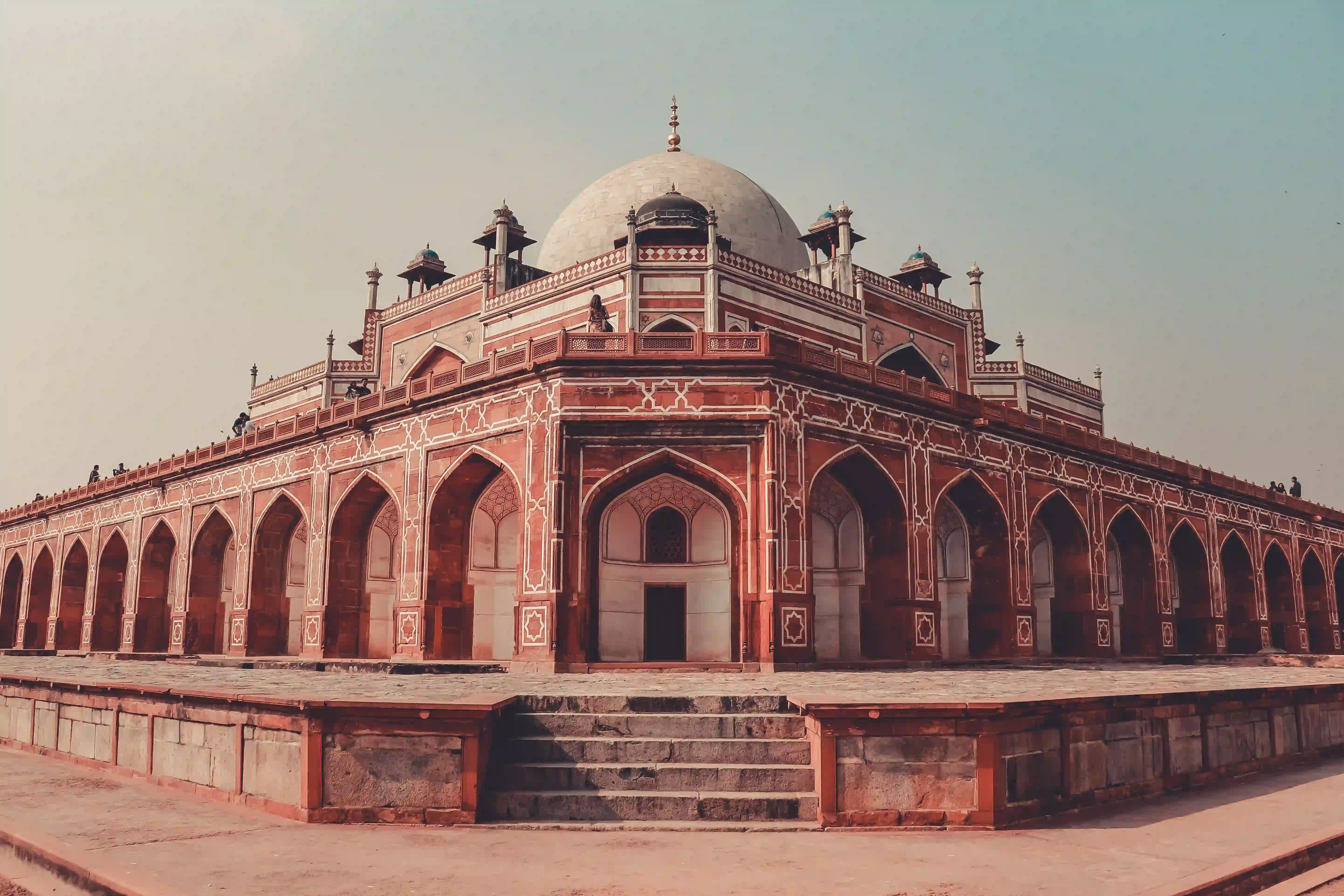
Next, visit Humayun's Tomb, another UNESCO World Heritage Site that inspired the architectural design of the Taj Mahal. Surrounded by lush Mughal gardens, fountains, and elegant pathways, this monument combines Persian and Indian architectural styles beautifully.
Another highlight of any Delhi Tour is Qutub Minar, the world's tallest brick minaret. Rising over 72 meters, this UNESCO World Heritage Site features intricate carvings, ancient ruins, and beautifully landscaped gardens that attract history lovers and photographers alike.
The Lotus Temple offers a completely different atmosphere. Famous for its unique lotus-shaped architecture, this Baháʼí House of Worship welcomes people of all religions to meditate in complete silence. The peaceful surroundings provide a refreshing break from Delhi's busy streets.
If time allows, visit Akshardham Temple during the evening. This magnificent cultural complex showcases stunning carvings, exhibitions, musical fountains, and spiritual displays that celebrate India's ancient traditions. The evening light and fountain show create a magical ending to your second day.
Best Places to Eat During Your Delhi Tour
Delhi is widely regarded as one of India's culinary capitals. Every neighborhood offers unique flavors ranging from authentic street food to fine dining experiences.
Old Delhi specializes in Mughlai cuisine, including kebabs, biryanis, nihari, butter chicken, and rich curries that have been perfected over generations. Chandni Chowk remains famous for traditional sweets, stuffed parathas, spicy chaats, and refreshing drinks.
New Delhi offers a broader selection of international cuisine alongside modern Indian restaurants. Connaught Place, Khan Market, and Hauz Khas Village feature stylish cafés, rooftop restaurants, bakeries, and fusion dining experiences suitable for every budget.
Vegetarian travelers will also find countless options, with Delhi serving some of India's finest vegetarian dishes inspired by Punjabi, South Indian, Gujarati, and Rajasthani traditions.
Best Time to Visit Delhi
The ideal time for a Delhi Tour is between October and March. During these months, pleasant temperatures make sightseeing comfortable while clear skies provide excellent conditions for photography and outdoor exploration.
Winter mornings occasionally feature light fog, adding a unique atmosphere to historical monuments. Spring offers blooming gardens and enjoyable weather throughout the city.
Summer, from April to June, can be extremely hot with temperatures often exceeding 40°C. Travelers visiting during these months should begin sightseeing early, stay hydrated, wear lightweight clothing, and take regular breaks indoors.
The monsoon season between July and September brings occasional rainfall, cooler temperatures, and lush greenery throughout the city's parks and gardens.
Transportation Around Delhi
Delhi offers one of India's most efficient public transportation systems. The Delhi Metro connects nearly all major tourist attractions quickly, safely, and affordably. Air-conditioned trains help visitors avoid heavy road traffic while reaching destinations conveniently.
Private taxis and app-based ride services provide comfortable alternatives for families and travelers carrying luggage. Auto-rickshaws remain popular for shorter distances and offer an authentic local experience.
Many tourists prefer private guided tours that include hotel pickup, transportation, professional guides, and flexible itineraries. This option eliminates navigation concerns and allows visitors to focus entirely on sightseeing.
Essential Travel Tips
Planning ahead ensures a smooth and enjoyable experience. Wear comfortable walking shoes because many attractions involve extensive walking. Carry sunscreen, sunglasses, bottled water, and a fully charged mobile phone.
Dress modestly when visiting religious sites, and always respect local customs and photography restrictions where applicable. Purchasing monument tickets online can help avoid long queues during peak tourist seasons.
Keep small amounts of cash for local markets and street vendors, although digital payments are widely accepted across most businesses. Travelers should also remain aware of personal belongings in crowded areas such as Chandni Chowk and metro stations.
Conclusion
A well-planned Delhi Tour itinerary for two days offers the perfect introduction to India's vibrant capital city. From the timeless grandeur of the Red Fort and Jama Masjid to the peaceful beauty of Humayun's Tomb, Qutub Minar, and the Lotus Temple, Delhi presents an incredible blend of history, architecture, spirituality, and modern culture.
Whether you're exploring colorful bazaars, tasting world-famous street food, shopping in lively markets, or admiring centuries-old monuments, every moment in Delhi reveals something unique. With careful planning, comfortable transportation, and an adventurous spirit, a two-day journey through India's capital becomes an unforgettable travel experience filled with culture, heritage, and lasting memories.
Frequently Asked Questions
1. Is two days enough to explore Delhi?
Yes. Two days are sufficient to visit the city's major attractions, including both Old Delhi and New Delhi, with a well-organized itinerary.
2. What are the must-visit attractions in Delhi?
Red Fort, Jama Masjid, Chandni Chowk, India Gate, Humayun's Tomb, Qutub Minar, Lotus Temple, and Akshardham Temple are among the top attractions.
3. What is the best way to travel around Delhi?
The Delhi Metro, private taxis, and guided tours are the most convenient transportation options for tourists.
4. Which month is best for visiting Delhi?
October through March offers the most pleasant weather for sightseeing and outdoor activities.
5. Is Delhi safe for tourists?
Yes. Most tourist areas are safe, especially during the day. Travelers should follow normal safety precautions, remain aware of their belongings, and use reliable transportation services for the best experience.