What Is the Best 5-Day Golden Triangle Tour Package in India?
November 4, 2026
What Is the Best 5-Day Golden Triangle Tour Package in India?
India is a country filled with fascinating history, magnificent architecture, colourful traditions, and unforgettable travel experiences. For first-time visitors, exploring North India can be an exciting introduction to the country's culture and heritage. One of the most popular travel routes is the Golden Triangle, which connects three iconic destinations: Delhi, Agra, and Jaipur.
A well-planned 5-Day Golden Triangle Tour allows travellers to discover India's historic capital, admire the world-famous Taj Mahal, and experience the royal charm of Rajasthan. During five days, visitors can explore ancient monuments, impressive forts, beautiful palaces, traditional markets, and local cuisine while travelling between three of India's most famous tourist destinations.
This tour is ideal for international tourists, couples, families, solo travellers, and anyone visiting India for the first time. With comfortable transportation, suitable accommodation, and knowledgeable local guides, travellers can enjoy a convenient and memorable holiday.
The best itinerary should balance sightseeing with enough time to appreciate each destination. Rather than rushing through every attraction, visitors should focus on the most important highlights of Delhi, Agra, and Jaipur while experiencing the different atmosphere of each city.
Why Choose a 5-Day Golden Triangle Tour in India?
The Golden Triangle is one of India's most popular tourism circuits because it combines history, culture, architecture, shopping, and local experiences in one journey. Delhi, Agra, and Jaipur are connected by well-travelled road routes, making it possible to explore all three destinations within a short holiday.
Delhi introduces visitors to India's fascinating combination of old and modern life. Agra is home to the Taj Mahal, one of the world's most recognised monuments. Jaipur, the capital of Rajasthan, welcomes travellers with royal palaces, historic forts, colourful bazaars, and traditional Rajasthani culture.
A five-day itinerary is a practical choice for travellers who want to experience these destinations without arranging separate trips. It offers a convenient route, a variety of sightseeing opportunities, and the flexibility to enjoy each city's most important attractions.
Another advantage is the possibility of customising the experience. Travellers can select hotels according to their budget, arrange private transportation, and choose sightseeing activities based on their interests. Families may prefer a relaxed schedule, while photography enthusiasts may want additional time at monuments and scenic locations.
Day 1: Explore the Historic and Modern Attractions of Delhi
Your journey begins in Delhi, India's capital city. After arriving at the airport, railway station, or your hotel, meet your driver and begin exploring the city's famous attractions.
Start with Old Delhi, which offers a fascinating glimpse into India's Mughal heritage. Its narrow streets, traditional shops, historic buildings, and busy markets create an atmosphere very different from the wide roads and modern neighbourhoods of New Delhi.
The Red Fort is one of the most important historical landmarks in the city. Built during the Mughal period, this impressive complex is known for its red sandstone walls, grand gateways, and historical importance. Visitors can appreciate its architecture and learn about the role it played in India's past.
Continue towards Jama Masjid, one of India's most prominent historic mosques. Its impressive courtyard, large domes, and elegant minarets make it an interesting stop for visitors interested in architecture and history. Remember to follow the site's clothing and visitor rules.
You can also experience the lively atmosphere of Chandni Chowk. This historic market area is famous for traditional shops, street food, textiles, jewellery, and local products. A short rickshaw ride through its busy lanes can be a memorable experience.
In the afternoon, explore New Delhi. Visit India Gate, a famous war memorial surrounded by landscaped areas and broad avenues. Depending on your schedule, you may also visit Humayun's Tomb, an impressive Mughal-era monument known for its gardens and architectural design.
Qutub Minar is another major attraction worth including if time permits. This historic tower stands within an archaeological complex featuring important monuments and architectural remains.
After completing your sightseeing, return to your hotel for an overnight stay in Delhi.
Major attractions covered on Day 1:
- Red Fort
- Jama Masjid
- Chandni Chowk
- India Gate
- Humayun's Tomb
- Qutub Minar, depending on available time
Day 2: Delhi to Agra – Discover the City of the Taj Mahal
After breakfast, depart from Delhi for Agra by private car. The road journey generally takes around three to four hours, depending on your starting point, traffic, and road conditions. Agra is located in Uttar Pradesh and is internationally recognised for its magnificent Mughal architecture.
On arrival, check in to your hotel or leave your luggage before starting the sightseeing programme.
The highlight of the day is the Taj Mahal, a breathtaking white marble monument built by Mughal Emperor Shah Jahan in memory of his wife Mumtaz Mahal. Its elegant domes, detailed marble work, symmetrical gardens, and beautiful setting make it one of the most admired architectural landmarks in the world.
Visitors can explore the main mausoleum, admire the decorative details, and learn about the history behind its construction. A professional local guide can explain the monument's architectural features and the stories associated with the Mughal period.
Travellers interested in photography may consider visiting the Taj Mahal around sunrise, subject to opening hours and ticket availability. The changing morning light creates beautiful photography opportunities and offers a peaceful atmosphere.
After visiting the Taj Mahal, continue to Agra Fort. This impressive red sandstone fort served as an important residence and administrative centre for Mughal rulers. Inside the complex, visitors can discover royal halls, courtyards, palaces, and viewpoints overlooking the Yamuna River.
If time permits, add Itmad-ud-Daulah's Tomb to your itinerary. Often admired for its intricate marble decoration, this monument offers another interesting perspective on Mughal architecture.
In the evening, explore local markets where you can find marble handicrafts, leather goods, textiles, and souvenirs. Agra is also known for its traditional sweets, making it a pleasant place to enjoy local flavours.
Return to your hotel for an overnight stay in Agra.
Day 3: Agra to Jaipur via Fatehpur Sikri
After breakfast, check out from your hotel and travel towards Jaipur, the beautiful capital of Rajasthan. The journey provides an opportunity to see the changing landscapes of northern India.
En route, visit Fatehpur Sikri, a historic Mughal city built by Emperor Akbar. This UNESCO World Heritage Site is known for its red sandstone buildings, impressive gateways, courtyards, and royal structures.
Buland Darwaza is one of the most striking features of Fatehpur Sikri. Its impressive scale and architectural details make it a memorable attraction. Visitors can also explore the complex's historic palaces, audience halls, and other important structures.
Jama Masjid and the Tomb of Salim Chishti are additional highlights. The white marble tomb is particularly admired for its detailed decorative work and traditional craftsmanship.
After exploring Fatehpur Sikri, continue the drive towards Jaipur. The journey takes several hours, depending on traffic and the time spent sightseeing.
On arrival in Jaipur, check in to your hotel and relax. If you reach early enough, explore a nearby market or enjoy a traditional Rajasthani dinner.
Jaipur is often called the Pink City because of the distinctive colour of many buildings in its historic centre. Its royal heritage, colourful streets, traditional handicrafts, and impressive architecture make it one of India's most attractive tourist destinations.
Enjoy an overnight stay in Jaipur.
Day 4: Jaipur Sightseeing – Experience Rajasthan's Royal Heritage
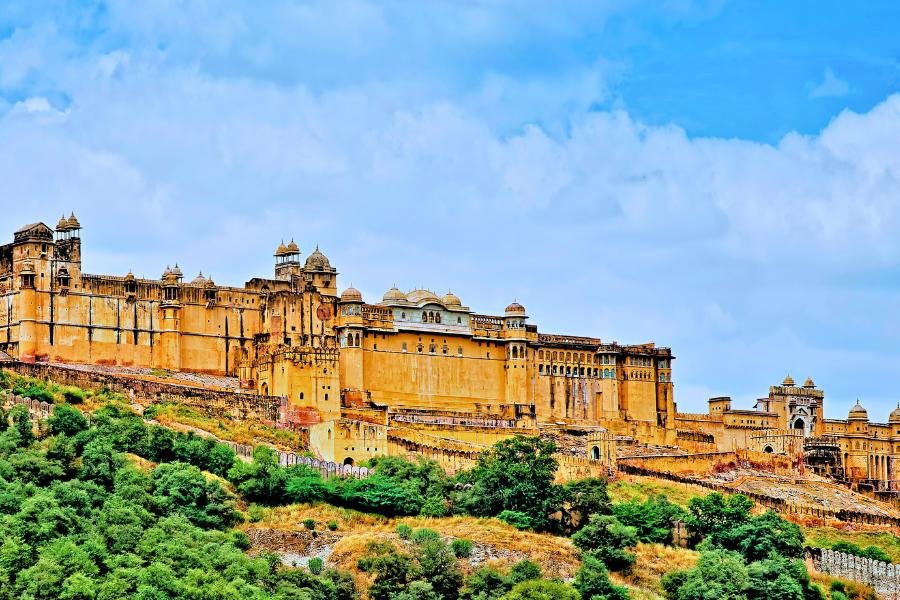
The fourth day is dedicated to discovering Jaipur's famous forts, palaces, and historic landmarks. Start your morning with a visit to Amber Fort, located on a hill overlooking Maota Lake.
Amber Fort is one of Rajasthan's most impressive architectural attractions. The complex features large courtyards, decorative gateways, royal halls, and beautifully designed interiors. Sheesh Mahal, also known as the Mirror Palace, is especially popular for its intricate mirror decoration.
Continue to Jal Mahal, a picturesque palace situated in the middle of Man Sagar Lake. Visitors generally enjoy viewing and photographing the palace from the lakeside promenade.
Next, explore Jaipur's City Palace. This historic royal complex combines traditional Rajput and Mughal architectural influences. Its courtyards, galleries, decorative entrances, and museum collections provide insight into the lifestyle of Jaipur's royal family.
Hawa Mahal, also known as the Palace of Winds, is another essential stop. Its distinctive pink façade features numerous small windows and balconies. The building was designed to allow royal women to observe street life while maintaining privacy.
You can also visit Jantar Mantar, an astronomical observatory featuring large instruments used to study the movement of celestial bodies. It is an interesting destination for visitors interested in science, mathematics, and historical architecture.
In the afternoon, explore Jaipur's colourful markets. Johari Bazaar is popular for jewellery, while Bapu Bazaar offers textiles, footwear, handicrafts, and traditional souvenirs. Visitors can also look for block-printed fabrics, blue pottery, and other local products.
Food lovers should try traditional Rajasthani dishes such as dal baati churma, gatte ki sabzi, and local sweets. These regional flavours add another memorable element to the journey.
Return to your hotel for an overnight stay in Jaipur.
Day 5: Jaipur to Delhi – Departure
After breakfast, check out from your hotel and begin the return journey to Delhi. The drive generally takes around five to six hours, depending on traffic and road conditions.
If your flight or onward journey is scheduled for later in the day, you can enjoy a relaxed breakfast and take a few photographs before leaving Jaipur. On arrival in Delhi, you will be dropped off at the airport, railway station, or your preferred location.
If you have an evening departure, allow sufficient time for the road journey and airport check-in. Travellers with an early flight may find it more comfortable to arrange an additional night in Delhi rather than risk a rushed transfer.
This completes your five-day journey through India's famous Golden Triangle, covering the historic charm of Delhi, the Mughal heritage of Agra, and the royal beauty of Jaipur.
What Is Included in a Golden Triangle Tour Package?
The inclusions depend on the travel company, hotel category, and package price. Before booking, carefully check the services included so you know what to expect.
A well-organised package may include:
Private air-conditioned transportation: A comfortable vehicle with a professional driver for transfers and sightseeing between destinations.
Hotel accommodation: Four nights in selected hotels, depending on the itinerary and package category.
Daily breakfast: Breakfast at the hotel during your stay, according to the selected accommodation plan.
Airport or railway station transfers: Pickup and drop-off in Delhi, according to the agreed schedule.
Local sightseeing: Visits to the major attractions in Delhi, Agra, and Jaipur.
Professional tour guides: Local guides in selected cities to explain the history, architecture, and cultural importance of monuments.
Travel assistance: Support with coordinating transfers, hotel check-ins, and sightseeing arrangements.
Monument entrance fees, meals apart from those specified, personal expenses, tips, and optional activities may not be included. Always confirm these details before making a reservation.
How to Choose the Best Golden Triangle Tour Package
Choosing the right package is important for enjoying a comfortable holiday. Many itineraries cover the same three cities, but the quality of transportation, hotels, guides, and sightseeing arrangements can make a significant difference.
Check the daily itinerary: Review how much time is allocated to each destination. A good itinerary should include the major attractions without making every day unnecessarily rushed.
Choose suitable accommodation: Hotels are available in budget, standard, premium, and luxury categories. Select accommodation based on your comfort requirements, location, and budget.
Consider private transportation: A private vehicle offers flexibility for sightseeing and stops along the route. It can be particularly convenient for families, couples, and small groups.
Look for knowledgeable local guides: A professional guide can make visits to the Taj Mahal, Agra Fort, Amber Fort, and other historic sites more meaningful by explaining their history and architectural details.
Understand the total price: Ask whether taxes, hotel breakfasts, transfers, guide services, tolls, parking, and monument tickets are included. A low starting price may not cover all the services you need.
Check the travel schedule: Confirm pickup times, hotel check-in arrangements, sightseeing hours, and the final drop-off location before booking.
Best Time to Enjoy the Golden Triangle Tour
The best time to explore Delhi, Agra, and Jaipur is generally from October to March. During these months, the weather is usually more comfortable for sightseeing and outdoor activities.
October and November are pleasant months for exploring historic monuments and local markets. December and January can be cold, particularly in the early mornings, so carrying warm clothing is advisable. February and March often offer comfortable conditions for travelling between the three cities.
April to June can be very hot, with high daytime temperatures. Travellers visiting during this period should plan outdoor sightseeing early in the morning or later in the afternoon, stay hydrated, and take breaks.
The monsoon season, generally from July to September, brings rainfall and increased humidity. Although the landscape can look beautiful, rain may affect road journeys and outdoor sightseeing plans.
Regardless of the season, check local weather conditions and monument opening schedules before travelling.
Important Travel Tips for First-Time Visitors to India
A little preparation can make your holiday more comfortable and enjoyable. Keep these practical tips in mind before starting your journey.
Book important services in advance: Reserve your hotels and transportation early, particularly during the busy winter travel season and major holidays.
Check monument opening days: Some attractions have weekly closing days or specific visitor schedules. The Taj Mahal, for example, is normally closed to visitors on Fridays, so plan your Agra sightseeing accordingly.
Purchase official monument tickets: Check current ticket arrangements and entry rules before visiting major attractions. Keep your ticket and identification details accessible where required.
Wear comfortable clothing and shoes: Exploring forts, markets, and historic complexes often involves walking and climbing steps. Comfortable footwear is useful throughout the trip.
Carry essential items: Keep drinking water, sunscreen, sunglasses, personal medication, and a small amount of local currency with you.
Respect local customs: Dress appropriately when visiting religious places and follow photography restrictions wherever they apply.
Allow extra travel time: Traffic conditions can change, especially around major cities. Keep a flexible schedule and avoid arranging flights too close to the expected arrival time of a long road transfer.
Is a Private Golden Triangle Tour Better Than a Group Tour?
Both private and group tours have advantages, and the right choice depends on your travel style and budget.
A private tour offers greater flexibility. You can travel with your family or companions, choose suitable departure times, spend longer at attractions you enjoy, and request changes to the itinerary when possible. It is particularly useful for couples, families with children, and travellers who prefer a personalised experience.
A group tour may be more economical because transportation and guide services are shared among several travellers. However, group itineraries usually follow fixed schedules, and visitors may have less flexibility regarding sightseeing time and departure arrangements.
For travellers visiting India for the first time, a private tour can provide a more relaxed experience, especially when covering three different cities within five days.
What Is the Expected Cost of a Five-Day Golden Triangle Holiday?
The cost depends on several factors, including the number of travellers, hotel category, vehicle type, guide services, travel season, and package inclusions.
Budget packages generally use economical accommodation and standard transportation. Mid-range packages may include comfortable hotels, private air-conditioned vehicles, and selected guide services. Luxury packages can offer premium hotels, upgraded vehicles, personalised assistance, and additional experiences.
The number of travellers also affects the per-person price. Couples, families, and small groups may find that sharing a private vehicle offers good value and greater convenience.
When comparing prices, do not look only at the advertised package amount. Check whether hotel breakfasts, monument tickets, local guides, tolls, parking charges, taxes, and airport transfers are included. A clear breakdown helps you understand the actual cost of your holiday.
Final Thoughts: Is Five Days Enough to Explore India's Golden Triangle?
Five days can be an excellent introduction to India's most famous northern travel circuit. Delhi offers a fascinating mix of historic landmarks and modern attractions, Agra provides the unforgettable experience of visiting the Taj Mahal, and Jaipur introduces travellers to Rajasthan's royal architecture and colourful traditions.
A carefully organised 5-Day Golden Triangle Tour makes it possible to enjoy these three destinations through a convenient route while experiencing different aspects of Indian history and culture. With suitable hotels, comfortable transportation, and an experienced guide, the journey can be enjoyable for first-time visitors as well as returning travellers.
Before booking, compare itineraries, check package inclusions, and select a schedule that matches your travel interests. Whether you are planning a romantic holiday, a family vacation, or a cultural trip with friends, the Golden Triangle offers an exciting way to discover some of India's most remarkable attractions.
If you want to experience India's heritage, architecture, local food, and royal history in a short holiday, this five-day journey is a memorable way to begin your Indian adventure.