The Ultimate Golden Triangle India Itinerary: Delhi, Agra & Jaipur
Planning a first trip to India can feel overwhelming because the country offers an enormous variety of destinations, cultures, landscapes, cuisines, and historical experiences. For travelers visiting northern India for the first time, the classic Delhi, Agra, and Jaipur circuit provides an excellent introduction to the country. This route combines historic monuments, Mughal architecture, royal palaces, colorful markets, traditional cuisine, and fascinating local experiences.
A well-planned Golden Triangle India itinerary usually connects Delhi, Agra, and Jaipur in a practical travel circuit. Delhi offers a mixture of ancient landmarks and modern attractions, Agra is home to the world-famous Taj Mahal, and Jaipur introduces visitors to Rajasthan's royal heritage. Together, these three cities create one of India's most popular tourism routes.
The journey can be completed in a few days, but allowing five to seven days gives travelers more time to explore without rushing. A private car and driver can make the journey especially convenient because travelers can customize departure times, sightseeing stops, and hotel arrangements.
What Is the Golden Triangle of India?
The Golden Triangle is a popular tourist circuit connecting Delhi, Agra, and Jaipur.
The name comes from the triangular shape created by these three destinations on a map. Each city offers a different travel experience.
Delhi is the political and historical center of India, with attractions representing several periods of the country's history. Agra is closely associated with the Mughal Empire and the Taj Mahal. Jaipur, the capital of Rajasthan, is famous for its forts, palaces, bazaars, and colorful culture.
The route is particularly suitable for first-time visitors because the cities are relatively well connected and offer a broad introduction to Indian history, architecture, food, and culture.
How Many Days Do You Need?
The ideal duration depends on your travel style and interests.
3-Day Itinerary
A three-day trip is possible for travelers with limited time.
- Day 1: Delhi sightseeing and Agra
- Day 2: Taj Mahal and Agra sightseeing, then Jaipur
- Day 3: Jaipur sightseeing and departure
This option covers the main highlights but can feel fast-paced.
4-Day Itinerary
Four days provide a slightly more relaxed schedule.
- Day 1: Delhi
- Day 2: Delhi to Agra
- Day 3: Agra to Jaipur
- Day 4: Jaipur and departure
5-Day Itinerary
Five days is a practical option for travelers who want to explore the main attractions without constantly rushing.
- Day 1: Delhi sightseeing
- Day 2: Delhi to Agra
- Day 3: Agra to Jaipur
- Day 4: Jaipur sightseeing
- Day 5: Jaipur to Delhi
6–7 Days
With six or seven days, travelers can slow down the itinerary, add additional Delhi sightseeing, spend more time in Agra and Jaipur, or include experiences such as local markets, cooking activities, heritage walks, or a wildlife extension.
Day 1: Discover Delhi
Begin your itinerary in Delhi, where India's historic past meets its modern identity.
Depending on your arrival time, start with some of the city's most important landmarks. Qutub Minar is an impressive historic complex and an excellent introduction to Delhi's architectural heritage. Humayun's Tomb is another important monument and is associated with the development of Mughal architectural traditions.
You can also visit India Gate, Lotus Temple, Raj Ghat, and the Red Fort depending on your available time.
Old Delhi provides a completely different experience. The narrow streets around Chandni Chowk are filled with shops, traditional food, historic buildings, and busy local activity.
If you enjoy food, consider trying traditional Delhi dishes during your evening exploration.
Delhi Sightseeing Highlights
- Qutub Minar
- Humayun's Tomb
- India Gate
- Red Fort
- Jama Masjid
- Lotus Temple
- Raj Ghat
- Chandni Chowk
Trying to visit every attraction in one day can make the experience tiring, so select the sites that match your interests.
Day 2: Delhi to Agra
Start your journey toward Agra after breakfast.
The road connection between Delhi and Agra makes the city easy to include in a Golden Triangle itinerary. Traveling by private car gives you the flexibility to leave according to your preferred schedule.
After reaching Agra, check into your hotel and begin sightseeing.
Agra Fort should be high on your list. This enormous historic complex provides an opportunity to understand the Mughal history of the city beyond the Taj Mahal.
Depending on your arrival time, you can also visit Mehtab Bagh for views toward the Taj Mahal or explore local marble handicraft shops.
Why Spend a Night in Agra?
Some travelers try to visit Agra as a day trip from Delhi. While that can work, spending a night in Agra allows you to enjoy the city with less pressure.
An overnight stay also makes it easier to plan an early morning visit to the Taj Mahal the following day.
Day 3: Sunrise at the Taj Mahal and Travel to Jaipur
The Taj Mahal is the centerpiece of most Golden Triangle itineraries.
An early morning visit allows travelers to experience the monument in softer morning light and can be particularly attractive for photographers. Check the latest visitor rules and opening schedule before your visit because monument arrangements can change.
Spend time exploring the Taj Mahal complex and its surrounding gardens before returning to your hotel for breakfast.
After checking out, begin the journey toward Jaipur.
Optional Stop at Fatehpur Sikri
Travelers with enough time can consider adding Fatehpur Sikri between Agra and Jaipur.
The historic city contains remarkable Mughal-era architecture and can provide an interesting cultural stop during the road journey.
However, adding extra sightseeing can make the travel day longer. If you prefer a relaxed schedule, traveling directly to Jaipur may be more suitable.
Day 4: Explore the Pink City of Jaipur
Jaipur is very different from Delhi and Agra. Its colorful architecture, royal history, handicrafts, and markets provide a strong introduction to Rajasthan.
Begin your Jaipur sightseeing with Amber Fort.
Located outside the central city area, Amber Fort is known for its grand courtyards, gateways, palace structures, and hilltop setting.
After exploring Amber Fort, continue toward the City Palace and Jantar Mantar.
Hawa Mahal is another essential Jaipur landmark. Its distinctive façade has become one of the city's most recognizable symbols.
Jaipur Sightseeing Highlights
- Amber Fort
- City Palace
- Hawa Mahal
- Jantar Mantar
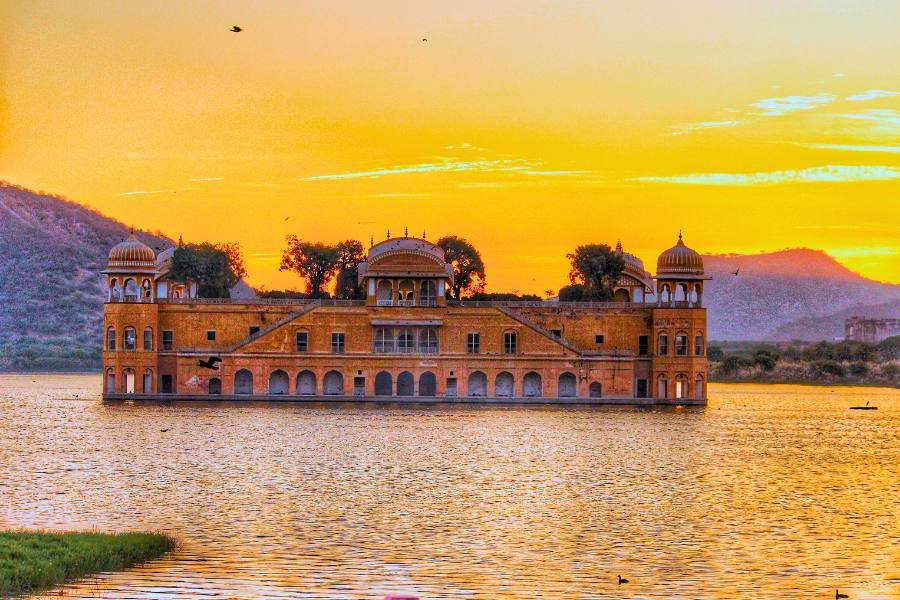
- Jal Mahal
- Jaipur markets
- Local handicraft shops
In the evening, explore one of Jaipur's traditional markets. Visitors can shop for textiles, jewelry, handicrafts, souvenirs, traditional footwear, and other Rajasthani products.
Day 5: Jaipur to Delhi
On the final day, enjoy a relaxed breakfast before checking out.
If your departure time allows, you can visit an additional attraction or spend some time shopping.
Then begin the journey back to Delhi.
Depending on your travel plans, you can be dropped at your hotel, airport, or another location in the city.
This completes the classic Delhi–Agra–Jaipur circuit.
Best Way to Travel Between Delhi, Agra and Jaipur
Travelers have several transportation options.
Private Car
A private car is one of the most flexible choices. You can control your departure time, stop for refreshments, adjust sightseeing, and travel directly between hotels and attractions.
It is particularly convenient for families, couples, and small groups.
Train
Trains can be useful for travelers who prefer rail transportation. Several services connect the major cities, although schedules and ticket availability should be checked before booking.
Bus
Buses can provide another transportation option, particularly for budget-conscious travelers, but they generally offer less flexibility than a private vehicle.
For travelers who want door-to-door transportation and customized sightseeing, a private car can simplify the overall journey.
Planning a Private Golden Triangle Tour
A private Golden Triangle India trip can be customized according to your interests.
For example, history enthusiasts may want to spend more time exploring forts and monuments. Photography enthusiasts may prefer sunrise and sunset visits. Families may require more breaks and shorter sightseeing sessions.
Couples may prefer boutique hotels, heritage properties, rooftop restaurants, and relaxed evenings.
A private itinerary also makes it easier to add destinations such as Ranthambore, Udaipur, or Pushkar if you have additional vacation days.
Choosing Hotels
Hotel selection can significantly affect your travel experience.
In Delhi, choose a property with convenient access to your planned sightseeing areas and transportation routes.
In Agra, staying relatively close to the main tourist areas can make early morning Taj Mahal visits easier.
In Jaipur, consider hotels that provide convenient access to both the old city and major attractions.
Travelers can choose from budget hotels, mid-range properties, boutique accommodations, luxury hotels, and heritage-style properties.
When booking, consider location rather than choosing accommodation based only on price.
What to Eat During the Journey
Food is an important part of experiencing India.
Delhi is known for street food and dishes such as chole bhature, parathas, kebabs, and various North Indian specialties.
Agra is associated with Mughlai cuisine and the famous sweet called petha.
Jaipur offers Rajasthani dishes such as dal baati churma, gatte ki sabzi, and other regional specialties.
Travelers who are unfamiliar with Indian food should choose clean and well-reviewed restaurants and drink safe water.
Shopping in Delhi, Agra and Jaipur
Each city offers different shopping experiences.
Delhi has everything from modern shopping centers to traditional bazaars.
Agra is known for marble handicrafts, leather goods, textiles, and souvenirs inspired by Mughal art.
Jaipur is particularly popular for jewelry, textiles, block-printed fabrics, handicrafts, and traditional Rajasthani products.
When shopping for expensive items, compare prices and ask for proper receipts.
Avoid feeling pressured into buying something simply because a salesperson recommends it.
Best Time to Visit
The cooler months are generally comfortable for sightseeing in Delhi, Agra, and Jaipur.
October through March is commonly preferred by travelers because daytime sightseeing is generally more comfortable than during the hottest part of the year.
Summer can be extremely hot, particularly during afternoon hours. If traveling during warmer months, plan outdoor sightseeing for mornings and late afternoons when possible.
The monsoon season brings rainfall but can also offer greener landscapes.
Your choice of travel season should depend on your preferred weather conditions and activities.
What to Pack for the Golden Triangle
Pack according to the season of your trip.
Useful items include:
- Comfortable walking shoes
- Lightweight clothing
- Sunglasses
- Sunscreen
- Hat or cap
- Reusable water bottle
- Camera
- Power bank
- Personal medicines
- Identification documents
- Small backpack
Modest clothing is useful when visiting religious or culturally significant places.
During winter, carry an extra layer for cool mornings and evenings.
Private Car and Driver: What to Check
If you choose private transportation, clarify the details before booking.
Ask the tour provider whether the quoted price includes:
- Vehicle
- Driver
- Fuel
- Toll charges
- Parking
- Interstate taxes
- Airport or hotel pickup
- Drop-off
- Additional sightseeing
Also confirm the vehicle category and luggage capacity.
A sedan can be suitable for couples or small groups, while an SUV or larger vehicle may provide additional comfort for families and groups with more luggage.
How to Make the Itinerary More Relaxed
One of the biggest mistakes first-time travelers make is trying to see everything.
Instead, prioritize the attractions that interest you most.
For example, spending extra time at the Taj Mahal can be more enjoyable than rushing through several additional monuments simply to check them off a list.
Similarly, Jaipur can be experienced more comfortably when you leave some free time for shopping, cafés, photography, and exploring local neighborhoods.
A good itinerary should balance sightseeing with rest.
Can You Add Ranthambore?
Yes. Travelers with additional time can extend the traditional route by adding Ranthambore between Agra and Jaipur.
A possible extended itinerary is:
Delhi → Agra → Ranthambore → Jaipur → Delhi
Ranthambore provides a completely different experience from the historic cities. Travelers can explore the national park and, depending on wildlife conditions and availability, participate in safari experiences.
Adding Ranthambore generally requires additional days, so it is better suited to a longer holiday.
How to Customize Your Itinerary
A customized Golden Triangle India itinerary can be designed around your travel priorities.
History lovers might focus on forts, palaces, tombs, and museums.
Photography enthusiasts can organize sunrise and sunset visits around major monuments.
Families can include shorter sightseeing sessions and regular breaks.
Couples can add romantic dining experiences, heritage hotels, and relaxed evenings.
Travelers interested in shopping can reserve additional time for local markets.
This flexibility is one of the main advantages of arranging a private trip rather than following a rigid group schedule.
Tips for a Smooth Golden Triangle Journey
A few simple preparations can make the trip easier.
Book Major Arrangements Early
Reserve hotels and transportation in advance, particularly during busy travel periods.
Start Early
Early departures can help you make better use of the day and avoid some busy periods.
Keep Your Schedule Flexible
Traffic, weather, and visitor levels can affect sightseeing.
Carry Essential Items
Keep identification, medication, chargers, water, and other necessities accessible.
Use Licensed Guides When Needed
A professional local guide can provide deeper historical and cultural context at major monuments.
Confirm Costs
Make sure you understand which services are included in your package.
Is the Golden Triangle Suitable for First-Time Visitors?
The route is particularly attractive to first-time visitors because it combines several major aspects of India in one relatively compact itinerary.
Travelers can experience historic architecture in Delhi, Mughal heritage in Agra, and Rajasthan's royal culture in Jaipur.
The destinations also offer different cuisines, shopping experiences, architectural styles, and cultural traditions.
Rather than seeing only one type of attraction, travelers can experience several sides of northern India during one trip.
Final Thoughts
The Delhi, Agra, and Jaipur circuit provides a fascinating introduction to India's history, architecture, culture, food, and everyday life. From the historic streets of Delhi to the Taj Mahal in Agra and the royal landmarks of Jaipur, each destination contributes something different to the journey.
A carefully planned Golden Triangle India itinerary should balance major sightseeing with enough time to relax and enjoy local experiences. Five days can cover the principal highlights, while six to seven days allow for a more comfortable pace. Travelers with additional time can extend the route to destinations such as Ranthambore or other parts of Rajasthan.
Whether you travel by private car, train, or another form of transportation, advance planning can help you make the most of your time. Choose hotels based on location, confirm transportation arrangements, check monument schedules, and leave enough flexibility in your itinerary for unexpected discoveries.
Frequently Asked Questions
1. What cities are included in the Golden Triangle?
The classic Golden Triangle connects Delhi, Agra, and Jaipur.
2. How many days are ideal for the Golden Triangle?
Five days is a practical duration for seeing the major highlights. Six or seven days allows a more relaxed experience.
3. Is a private car a good option?
A private car can provide flexibility, direct transportation, and the ability to customize departure times and sightseeing stops.
4. Can I visit the Taj Mahal at sunrise?
Yes, travelers can plan an early visit subject to the monument's current opening schedule and visitor rules.
5. Can I add Ranthambore to the itinerary?
Yes. Travelers with additional days can add Ranthambore between Agra and Jaipur for a wildlife experience.
6. What is the usual route?
The classic route is Delhi → Agra → Jaipur → Delhi.
7. Is the Golden Triangle suitable for families?
Yes. Families can customize the itinerary around children's schedules, meal breaks, hotel preferences, and sightseeing interests.