Jaipur Unveiled: Where Royal Legends Meet Everyday Life
December 25, 2025
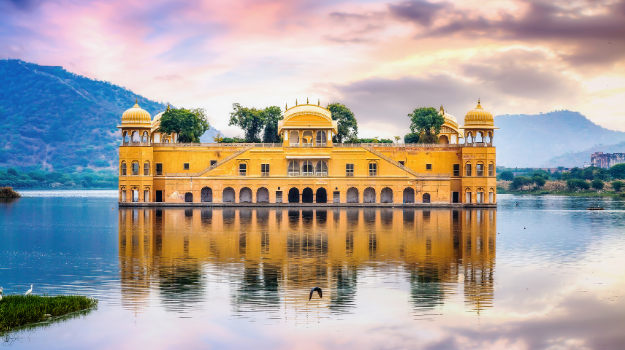
Jaipur Unveiled: Where Royal Legends Meet Everyday Life
Jaipur Unveiled: Where Royal Legends Meet Everyday Life is a journey into a city that balances grandeur and simplicity with remarkable ease. Jaipur Unveiled: Where Royal Legends Meet Everyday Life is not only about towering forts, regal palaces, and historic avenues, but also about morning prayers in neighborhood temples, vendors calling out prices in bustling markets, and families preserving traditions in quiet courtyards. Jaipur reveals itself most honestly when royal legends blend seamlessly with the rhythm of everyday life, creating a city that feels both majestic and deeply human.
The Vision Behind the Pink City
Jaipur stands apart from many historic cities because it was planned with intention and imagination. Founded in the eighteenth century, the city was designed with wide avenues, organized markets, and defined residential zones. This thoughtful planning allowed royal power and civic life to coexist harmoniously. Even today, the layout of Jaipur reflects a vision where rulers, artisans, traders, and spiritual leaders shared the same urban fabric.
Royal Architecture as a Living Backdrop
The palaces and forts of Jaipur are not distant relics frozen in time; they are living backdrops to daily activity. The City Palace still houses royal residences alongside museums, while Hawa Mahal overlooks busy streets filled with honking scooters and colorful vendors. Amber Fort rises above nearby villages where children play and farmers tend their fields.
Streets Where History Walks Beside You
Walking through Jaipur is like moving through layers of time. One moment, you pass a centuries-old haveli with intricately carved balconies, and the next, you step into a modern café serving coffee to young creatives. These streets do not separate the past from the present.
Markets as the City’s Beating Heart
Jaipur’s markets are where everyday life is most vividly expressed. Johari Bazaar sparkles with gemstones and gold, while Bapu Bazaar overflows with textiles, footwear, and laughter. Tripolia Bazaar resonates with the sound of metal bangles being shaped by skilled hands.
Artisans and the Legacy of Skill
Behind every handcrafted item in Jaipur lies a story of dedication and inheritance. Artisans learn their skills from an early age, guided by parents and grandparents who pass down techniques refined over generations.
Textiles That Speak of Tradition
Jaipur’s textiles are among its most expressive cultural elements. From hand block-printed cottons to richly dyed silks, fabrics here carry stories of climate, history, and belief. These textiles are worn daily, used in homes, and gifted during celebrations.
Blue Pottery and Subtle Elegance
Blue pottery adds a quieter yet distinctive charm to Jaipur’s craft landscape. Its smooth surface and delicate designs stand in contrast to the city’s bold colors, offering elegance rooted in restraint.
Jewelry Beyond Ornamentation
Jewelry in Jaipur carries meaning beyond decoration. Techniques such as Kundan, Meenakari, and Polki originated under royal patronage, but today they are part of everyday cultural expression.
Music in Courtyards and Streets
Music in Jaipur is not confined to concert halls. Folk musicians perform in courtyards, temples, and open squares, their melodies echoing stories of love, devotion, and bravery.
Dance as Community Expression
Dance in Jaipur reflects shared joy and collective memory. Ghoomar embodies grace and continuity, while Kalbeliya dance showcases energy and resilience rooted in desert life.
Festivals That Shape the Year
The calendar in Jaipur is shaped by festivals that mark seasons, beliefs, and social ties. Teej celebrates monsoon and renewal, Gangaur honors devotion and partnership, and Diwali illuminates homes with hope and light.
Food as Everyday Heritage
Jaipur’s cuisine reflects resilience shaped by its environment. Dishes like dal baati churma, gatte ki sabzi, and ker sangri connect families to generations of culinary wisdom.
Street Food and Social Spaces
Street food in Jaipur turns public spaces into social hubs. Kachoris sizzling in oil, cups of sweet tea, and trays of sweets create moments of connection.
Sweets and Celebratory Traditions
Sweets such as ghewar, mawa kachori, and laddoos symbolize joy, hospitality, and goodwill, reinforcing relationships through shared taste and memory.
Daily Rhythms of the Old City
In the old quarters of Jaipur, daily life unfolds with comforting predictability. Morning prayers, open markets, and evening gatherings maintain a rhythm that has endured despite modernization.
Women as Cultural Anchors
Women play a crucial role in sustaining Jaipur’s traditions through crafts, rituals, and community leadership, ensuring heritage continues with strength and grace.
Spiritual Life Beyond Grand Temples
Jaipur’s spiritual landscape includes neighborhood shrines, Sufi dargahs, and sacred trees, offering quiet reflection woven into everyday routines.
Education, Art, and Modern Aspirations
Jaipur’s youth blend tradition with ambition. Designers, musicians, and entrepreneurs reinterpret heritage, ensuring cultural relevance in a modern world.
Royal Legacy in Contemporary Context
The royal legacy of Jaipur continues as inspiration rather than authority, supporting cultural stewardship and creative reinterpretation.
Tourism and Everyday Life Intertwined
Tourism in Jaipur often blends naturally with local life, creating opportunities for cultural exchange when practiced responsibly.
Challenges of Growth and Preservation
Urban expansion and modernization challenge Jaipur’s balance, but conservation efforts and community initiatives help protect its identity.
Jaipur as a Living Narrative
Jaipur is a living narrative shaped daily by its people. Markets, rituals, and crafts continuously add new chapters to the city’s story.
Where Legends Become Life
Jaipur Unveiled: Where Royal Legends Meet Everyday Life shows a city where royal grandeur and everyday warmth coexist. To know Jaipur is to witness history being lived, not merely remembered.