Is one day enough for Delhi city tour?
June 13, 2026
Is One Day Enough for Delhi City Tour?
Delhi is a city that captures the heart of every traveler who visits India. As the capital of the country, Delhi is a fascinating blend of ancient history, vibrant culture, modern architecture, bustling markets, and incredible food. From magnificent Mughal monuments to colonial-era landmarks and contemporary attractions, the city offers an endless list of experiences. Because many travelers have limited time, one of the most common questions asked before visiting is: Is one day enough for a Delhi city tour?
The simple answer is yes and no. One day is enough to see some of Delhi's most iconic attractions and get a feel for the city's unique character. However, Delhi is a massive metropolis with centuries of history and countless attractions. No traveler can fully experience everything the city offers in just twenty-four hours. Still, with proper planning and an efficient itinerary, a single day can provide a memorable and rewarding introduction to India's capital.
Exploring Old and New Delhi in One Day
A well-organized Delhi city tour allows visitors to explore the highlights of both Old Delhi and New Delhi. These two parts of the city represent different eras of India's history. Old Delhi reflects the grandeur of the Mughal Empire with its historic mosques, forts, and crowded bazaars. New Delhi showcases wide avenues, government buildings, colonial architecture, and modern urban development. Together, they create a fascinating contrast that makes Delhi one of the most unique cities in the world.
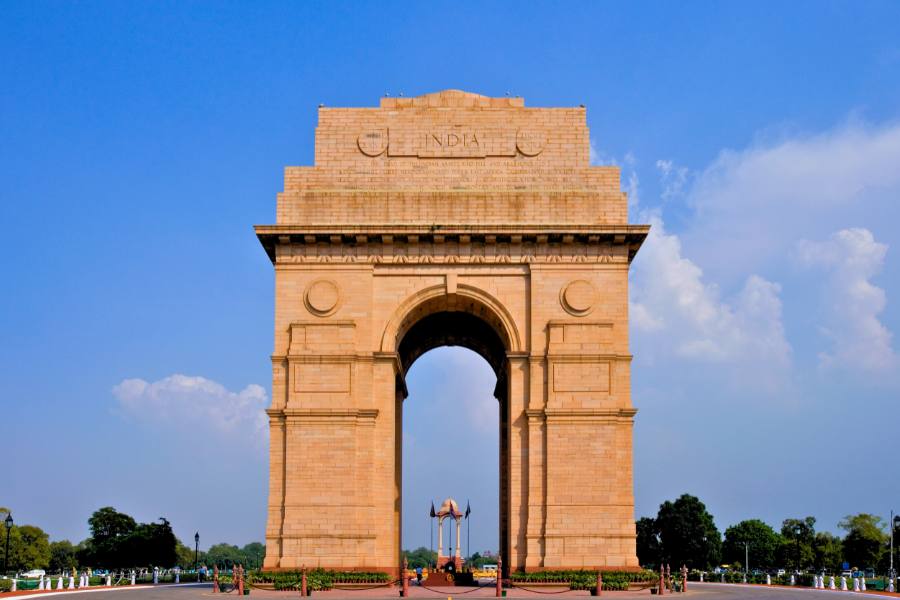
Starting early in the morning is essential if you want to maximize your time. Many travelers begin their day at India Gate, one of the most recognizable landmarks in the city. This war memorial stands proudly in the heart of New Delhi and attracts visitors throughout the year. Early morning visits offer pleasant weather, fewer crowds, and excellent opportunities for photography. The surrounding gardens create a peaceful atmosphere that contrasts sharply with the city's later hustle and bustle.
After visiting India Gate, travelers often head to Rashtrapati Bhavan and Parliament House. While entry into these government buildings is limited, their impressive architecture can be admired from the outside. The broad avenues of New Delhi, designed during the British colonial period, showcase a completely different side of India compared to the narrow streets of Old Delhi.
Historic Attractions You Should Not Miss
One of the city's most famous attractions is Qutub Minar, a UNESCO World Heritage Site and the tallest brick minaret in the world. Standing over 70 meters tall, this remarkable monument dates back to the 12th century and represents one of the earliest examples of Indo-Islamic architecture in India. Visitors can spend time exploring the surrounding complex, which includes ancient ruins, historical structures, and the famous Iron Pillar.
Humayun's Tomb is another UNESCO World Heritage Site that deserves a place on every itinerary. Often described as the architectural inspiration for the Taj Mahal, this magnificent monument combines Persian and Indian design elements in a stunning garden setting. For history lovers, this stop becomes one of the highlights of a Delhi city tour.
Experiencing the Charm of Old Delhi
No visit to Delhi would be complete without experiencing Old Delhi. The atmosphere changes dramatically as travelers enter this historic district. The narrow lanes, bustling markets, cycle rickshaws, and centuries-old buildings create a sensory experience unlike any other. Jama Masjid, one of India's largest mosques, dominates the skyline and offers visitors a glimpse into the city's rich religious heritage.
Nearby lies Chandni Chowk, one of the oldest and busiest markets in India. Walking through this vibrant marketplace feels like stepping back in time. The market is filled with shops selling spices, textiles, jewelry, electronics, and traditional Indian sweets. Street food vendors tempt visitors with local delicacies, while shopkeepers enthusiastically showcase their products.
Another iconic attraction in Old Delhi is the Red Fort. This UNESCO World Heritage Site served as the main residence of Mughal emperors for nearly two centuries. Its massive red sandstone walls, elegant halls, and historical significance make it one of the most important landmarks in India.
Food and Cultural Experiences
Food plays a major role in every travel experience, and Delhi is often considered one of India's culinary capitals. A one-day visit offers countless opportunities to sample local cuisine. From buttery parathas and spicy chaat to kebabs and traditional sweets, the city's food scene reflects its cultural diversity. Many travelers consider tasting local dishes an essential part of their Delhi city tour because food provides a deeper understanding of the city's traditions and lifestyle.
For travelers interested in spirituality, Delhi offers numerous religious landmarks representing different faiths. The Lotus Temple, famous for its unique flower-like design, welcomes visitors from all religions and backgrounds. Similarly, Akshardham Temple impresses visitors with its grand architecture, detailed carvings, and cultural exhibitions that showcase India's spiritual heritage.
Shopping and Local Markets
Shopping enthusiasts can also make the most of a one-day itinerary. Markets such as Connaught Place, Janpath, and Dilli Haat offer a wide variety of products ranging from handicrafts and textiles to souvenirs and contemporary fashion. These shopping districts provide an opportunity to interact with local artisans and purchase unique items that reflect India's diverse cultural traditions.
Transportation Tips for One Day in Delhi
Transportation is an important factor when planning a one-day visit. Delhi's traffic can be unpredictable, especially during peak hours. Hiring a private driver or joining a guided tour often proves to be the most efficient option. The Delhi Metro is another excellent choice for travelers who want a fast, affordable, and reliable way to move between attractions.
One challenge travelers face is deciding which attractions to prioritize. Since Delhi offers far more attractions than can be visited in a single day, focusing on personal interests becomes essential. History enthusiasts may spend more time exploring monuments and museums, while food lovers might prioritize markets and culinary experiences.
Best Time for a Delhi City Tour
The best time for a Delhi city tour is between October and March when temperatures remain comfortable for outdoor exploration. During these months, visitors can spend extended periods at monuments, markets, and gardens without the intense heat that characterizes Delhi's summer season.
Photography enthusiasts will find countless opportunities throughout the city. The contrast between historical monuments and modern cityscapes creates unique compositions that capture Delhi's character. Early morning and late afternoon provide the best lighting conditions for photographing landmarks such as India Gate, Humayun's Tomb, and Qutub Minar.
Why One Day Can Still Be Memorable
Many international tourists include Delhi as part of the famous Golden Triangle route, which also covers Agra and Jaipur. In such cases, travelers often allocate only one day to Delhi before continuing their journey. While this limited timeframe cannot reveal every aspect of the city, it successfully introduces visitors to some of India's most important cultural and historical treasures.
Travelers who have additional time should certainly consider extending their stay. Delhi's museums, art galleries, heritage walks, food tours, and hidden neighborhoods offer experiences that go beyond the typical tourist itinerary. Exploring these lesser-known attractions provides a deeper understanding of the city's complex identity and rich cultural heritage.
The true magic of Delhi lies in its diversity. Ancient monuments stand beside modern skyscrapers. Traditional markets operate alongside luxury shopping centers. Historic neighborhoods coexist with contemporary business districts. This dynamic blend of old and new creates an atmosphere that fascinates visitors from around the world.
So, is one day enough for Delhi? If your goal is to see every attraction, the answer is no. If your objective is to experience the city's essence, visit major landmarks, sample local cuisine, and gain an appreciation for its history and culture, then one day can be surprisingly rewarding. A well-planned Delhi itinerary offers an excellent introduction to the capital and leaves many travelers eager to return for a longer visit.
Conclusion
One day may not be enough to uncover every secret of India's capital, but it is certainly enough to experience its highlights. From the historic streets of Old Delhi to the elegant avenues of New Delhi, the city offers an unforgettable blend of history, culture, architecture, and cuisine. By focusing on key attractions such as India Gate, Qutub Minar, Humayun's Tomb, Jama Masjid, Chandni Chowk, and the Red Fort, travelers can enjoy a meaningful and memorable journey. A carefully planned Delhi city tour allows visitors to capture the spirit of the city while making the most of limited time.
FAQs
Is one day enough to see Delhi?
Yes, one day is enough to visit the city's major attractions and experience its culture, although it is not enough to explore everything.
What are the must-visit places in a one-day Delhi itinerary?
India Gate, Qutub Minar, Humayun's Tomb, Jama Masjid, Chandni Chowk, and Red Fort are among the top attractions.
What is the best way to travel around Delhi in one day?
Hiring a private car, joining a guided tour, or using the Delhi Metro are the most efficient options.
What is the best season for a Delhi city tour?
October to March offers pleasant weather and ideal sightseeing conditions.
Can Delhi be explored without a guide?
Yes, but a guide can provide valuable historical insights and help optimize your itinerary.