How Much Does a Golden Triangle Tour in India Cost?
September 7, 2026
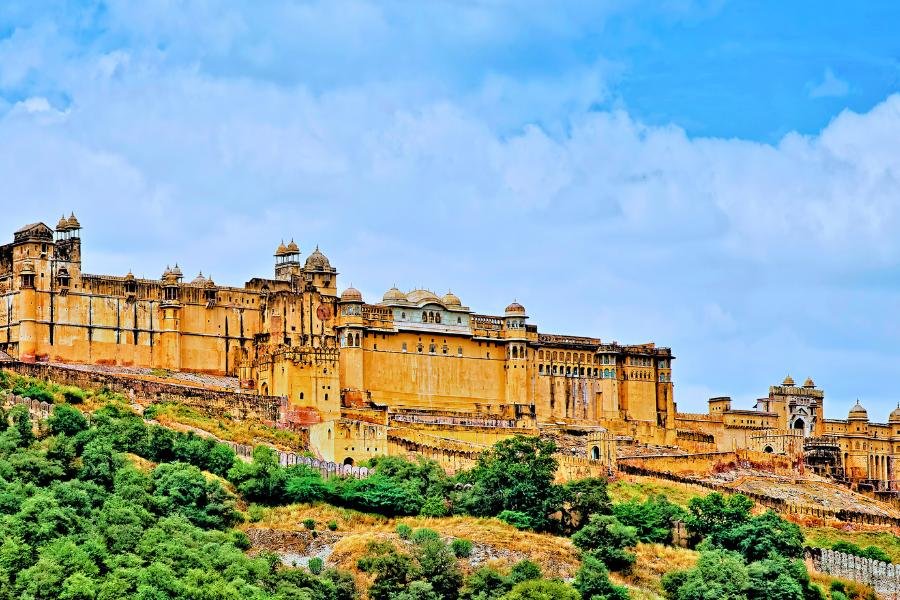
How Much Does a Golden Triangle Tour in India Cost?
Planning a trip to India and wondering how much you should budget for Delhi, Agra, and Jaipur? The cost can vary considerably depending on the length of your journey, type of accommodation, transportation, sightseeing preferences, travel season, and whether you choose a private or group itinerary.
The Golden Triangle Tour is one of the most popular ways to explore northern India because it connects three culturally rich destinations: Delhi, Agra, and Jaipur. In one trip, travelers can experience historic forts, magnificent palaces, colorful markets, traditional cuisine, and the world-famous Taj Mahal.
For budget-conscious travelers, the journey can be planned economically by choosing standard hotels, shared transportation, and carefully selected attractions. Travelers looking for more comfort can choose private cars, premium hotels, experienced guides, and customized sightseeing.
The good news is that the Golden Triangle can be adapted to almost any travel budget. Understanding the main expenses before booking will help you choose an itinerary that offers good value without unnecessary costs.
What Is Included in the Golden Triangle?
The classic route covers three major Indian cities:
- Delhi – India's capital and a fascinating mix of historic and modern attractions.
- Agra – Home to the Taj Mahal and other important Mughal monuments.
- Jaipur – The famous Pink City of Rajasthan, known for forts, palaces, and colorful markets.
A typical itinerary lasts between four and seven days. A shorter trip may concentrate on the major attractions, while a longer journey allows travelers to explore neighborhoods, markets, museums, local restaurants, and additional monuments.
The final price depends heavily on how many days you spend traveling and what level of comfort you expect.
Average Cost of a Golden Triangle Trip
There is no single fixed price because every traveler has different requirements. However, you can generally divide your expected expenses into several categories.
A basic trip may include economical hotels, public transportation, and independent sightseeing. A mid-range trip may include comfortable hotels, private transfers, and selected guided tours. A luxury journey can include premium hotels, private chauffeurs, luxury transportation, professional guides, and personalized experiences.
For international travelers, it is useful to think about the total cost in terms of accommodation, transportation, food, sightseeing, guides, shopping, and miscellaneous expenses rather than looking only at the tour package price.
A carefully planned Golden Triangle Tour can provide excellent value because the three cities are relatively close to one another and can be combined efficiently into one itinerary.
Accommodation Costs
Accommodation is one of the biggest factors affecting your total travel budget.
Budget Hotels
Budget travelers can find simple guesthouses, hostels, and economical hotels in Delhi, Agra, and Jaipur. These properties generally provide basic amenities and are suitable for travelers who spend most of their day sightseeing.
Choosing budget accommodation can significantly reduce the overall cost, especially for longer trips.
However, location is important. A slightly more expensive hotel in a convenient area can sometimes save money and time on transportation.
Mid-Range Hotels
Mid-range hotels are popular among families, couples, and international tourists who want a comfortable stay without paying luxury prices.
These hotels may provide air conditioning, private bathrooms, breakfast, Wi-Fi, room service, and other useful facilities.
For many travelers, mid-range accommodation offers the best balance between comfort and price.
Luxury Hotels
India also has a wide selection of luxury and heritage hotels, particularly in Jaipur and Delhi.
Luxury accommodation can dramatically increase the total cost of your journey, but it can also make the trip more memorable. Jaipur is especially famous for heritage properties housed in former palaces and traditional residences.
If accommodation is an important part of your travel experience, allocating more of your budget to hotels can be worthwhile.
Transportation Costs
Transportation is another major part of your Golden Triangle budget.
Travelers typically choose between trains, buses, private cars, taxis, and organized transfers.
Traveling by Private Car
A private car with a driver is one of the most convenient ways to explore Delhi, Agra, and Jaipur.
You can travel according to your own schedule, stop for photographs, take breaks when needed, and avoid the inconvenience of changing transportation between cities.
Private transportation is particularly useful for families and small groups because the cost can be divided among several travelers.
It also provides greater flexibility for sightseeing. Instead of rushing to catch a bus or train, you can spend more time at an attraction and adjust the itinerary when necessary.
Traveling by Train
Trains can be an economical and efficient option for some travelers.
Delhi, Agra, and Jaipur are connected by India's extensive railway network. High-speed and express services can reduce travel time between major cities.
However, train travel requires advance planning. You need to consider station transfers, departure schedules, luggage, and transportation between the railway station and your hotel.
Local Transportation
Within each city, you may use taxis, auto-rickshaws, app-based transportation, or other local options.
These costs may appear small individually but can add up over several days.
For this reason, travelers should include a separate local transportation allowance in their budget.
Food and Dining Expenses
Food is one area where India offers considerable flexibility.
Budget travelers can enjoy inexpensive local meals, while those seeking premium dining can choose upscale restaurants in hotels and popular tourist areas.
Street food is an important part of the Indian travel experience, but visitors should choose hygienic and busy establishments.
Typical expenses depend on where you eat and what you order. Breakfast may be included with your hotel, reducing your daily food costs.
For lunch and dinner, you can alternate between local restaurants and more upscale dining depending on your preferences.
Popular dishes to try during the trip include:
- Butter chicken
- Paneer dishes
- Dal
- Biryani
- Rajasthani thali
- Paratha
- Chaat
- Samosa
- Lassi
- Traditional Indian sweets
Food costs can therefore be adjusted easily according to your overall travel budget.
Monument and Entrance Fees
Sightseeing expenses should also be included when calculating your trip cost.
The three destinations contain numerous attractions, and entrance fees vary depending on the monument and visitor category.
In Agra, the Taj Mahal is the major attraction. Agra Fort and other historic sites may also be included.
In Jaipur, popular attractions include Amber Fort, City Palace, Hawa Mahal, Jantar Mantar, and other historic landmarks.
Delhi offers attractions such as India Gate, Humayun's Tomb, Qutub Minar, Red Fort, and various museums and religious sites.
International visitors should check current entrance fees before traveling because prices and ticketing arrangements can change.
Cost of a Tour Guide
Hiring a professional guide can increase your tour cost, but it can also significantly improve the sightseeing experience.
Historic monuments are much more interesting when you understand their history, architecture, rulers, traditions, and cultural significance.
A guide can explain details that may otherwise be missed and can help you move efficiently through large monuments.
Private tours generally allow you to select the destinations where you want a guide. This means you do not necessarily have to hire a guide for every attraction.
If you are particularly interested in history and architecture, allocating part of your budget to professional guiding can be worthwhile.
How Many Days Should You Spend?
The length of your trip has a direct impact on its price.
Three-Day Itinerary
A three-day itinerary is suitable for travelers with very limited time.
You may visit Delhi, travel to Agra, see the Taj Mahal and Agra Fort, and then continue toward Jaipur.
This is a fast-paced option and leaves little time for relaxation.
Four-Day Itinerary
Four days can provide a more comfortable introduction to the three destinations.
You can allocate approximately one day to Delhi, one day to Agra, and one or two days to Jaipur and travel.
This option works well for travelers who want to see the main highlights without spending too much time away from other parts of India.
Five-to-Seven-Day Itinerary
A longer itinerary is ideal for travelers who want a relaxed experience.
You can spend additional time exploring Delhi, enjoy a sunrise or sunset experience in Agra, and discover Jaipur's markets and heritage areas without rushing.
A longer trip naturally costs more because of additional accommodation, meals, transportation, and activities, but it often provides better overall comfort.
Budget, Mid-Range, or Luxury?
The best way to understand the cost of a Golden Triangle Tour is to divide travelers into three broad categories.
Budget Travel
Budget travel focuses on affordable accommodation, public transportation, economical restaurants, and independent sightseeing.
This approach can be excellent for backpackers, students, and younger travelers who prioritize experiences over luxury.
However, budget travelers should still prioritize safe transportation and reputable accommodation.
Mid-Range Travel
Mid-range travel is often the most popular choice.
It combines comfortable hotels, private or semi-private transportation, selected guides, good restaurants, and organized sightseeing.
For couples and families, this option can provide a good combination of comfort, convenience, and affordability.
Luxury Travel
Luxury travel focuses on premium hotels, private vehicles, experienced guides, fine dining, personalized sightseeing, and exclusive experiences.
Travelers choosing this option should expect a significantly higher overall cost.
The advantage is convenience. Your transportation, hotels, meals, and sightseeing can all be arranged around your preferences.
What Can Increase the Tour Price?
Several factors can make a Golden Triangle holiday more expensive.
Peak Travel Season
Traveling during popular tourist periods can increase hotel prices and demand for transportation.
Booking early can help secure better availability.
Hotel Category
Changing from a budget hotel to a luxury property can make a significant difference to the total cost.
Private Guides
Using private guides in every city will increase the overall price but may provide a richer sightseeing experience.
Private Transportation
A private vehicle costs more than public transportation but offers greater flexibility and comfort.
Additional Experiences
Cooking classes, cultural performances, luxury dining, photography sessions, shopping experiences, and excursions outside the standard route can all increase the total budget.
How to Save Money on a Golden Triangle Tour
You do not need to spend a fortune to enjoy Delhi, Agra, and Jaipur.
One of the easiest ways to save money is to book accommodation in advance. Compare hotels based not only on price but also on location and guest reviews.
Traveling during less busy periods may also provide better accommodation rates.
Another useful strategy is to avoid adding too many optional activities. The major attractions themselves provide plenty of experiences.
Travelers can also save by choosing a private vehicle when traveling as a group. Although the total vehicle cost may appear higher than public transportation, dividing it among several people can make the per-person cost more reasonable.
Eating at reputable local restaurants instead of relying exclusively on hotel restaurants can also reduce daily expenses.
Is a Private Golden Triangle Tour Worth the Cost?
For many travelers, yes.
A private tour provides flexibility that can be difficult to achieve with group transportation. You can decide when to leave your hotel, how long to stay at an attraction, where to stop for meals, and which optional destinations to include.
This is particularly useful for families, older travelers, photographers, and visitors who have never traveled through India before.
A private chauffeur can also simplify intercity transportation because you do not have to repeatedly arrange taxis or carry luggage between different forms of transportation.
The extra cost is therefore paying not only for transportation but also for convenience, flexibility, and time savings.
Hidden Expenses to Keep in Your Budget
When calculating your travel budget, remember that the advertised tour price may not include everything.
Potential additional expenses include:
- Monument entrance tickets
- Guide fees
- Meals
- Tips
- Travel insurance
- Airport transfers
- Local transportation
- Shopping
- Camera fees where applicable
- Additional activities
- Personal expenses
Ask your tour provider for a detailed list of inclusions and exclusions before making a booking.
This helps prevent unpleasant surprises during your trip.
Shopping in Delhi, Agra, and Jaipur
Shopping can add considerably to your total expenses, particularly if you enjoy handicrafts and traditional products.
Agra is known for marble inlay work, handicrafts, leather goods, and souvenirs.
Jaipur is famous for textiles, jewelry, gemstones, handicrafts, blue pottery, and traditional Rajasthani products.
Delhi offers everything from traditional handicrafts to modern shopping centers and local markets.
Set a shopping budget before your trip. This allows you to enjoy local markets without accidentally spending more than planned.
How to Choose the Right Tour Package
Before booking, compare several tour packages carefully.
Do not look only at the headline price. Check what is included in the package.
Important questions include:
- Is hotel accommodation included?
- Is breakfast included?
- Is transportation private or shared?
- Is a driver included?
- Are monument entrance tickets included?
- Are professional guides included?
- Are airport transfers included?
- Are meals included?
- Are taxes included?
- Is the itinerary customizable?
Two packages with similar prices can offer very different levels of service.
The cheapest package is not always the best value. A slightly more expensive package may include better hotels, private transportation, experienced guides, and more convenient arrangements.
A Sample Golden Triangle Budget Plan
For a typical traveler, it can be useful to divide the overall budget into percentages rather than focusing on one fixed amount.
A practical planning model could allocate approximately:
- 30–40% for accommodation
- 20–30% for transportation
- 10–15% for food
- 5–10% for sightseeing and entrance fees
- 5–10% for guides and activities
- 10% or more for shopping and miscellaneous expenses
These percentages are only a planning guideline. Your actual spending will depend on your travel style and choices.
Luxury travelers may spend a much larger portion on accommodation, while backpackers may allocate more toward experiences and transportation.
Best Way to Get Value for Your Money
Getting good value does not necessarily mean choosing the cheapest option.
Instead, focus on what matters most to you.
If comfort is important, spend more on accommodation and transportation.
If history is your priority, invest in professional guides.
If photography is important, consider a private itinerary that gives you more time at major monuments.
If you are traveling with family, prioritize convenience and comfortable transportation.
The ideal trip is one where your spending supports the experiences you actually value.
Final Thoughts
The cost of a trip through Delhi, Agra, and Jaipur depends primarily on your accommodation, transportation, travel duration, sightseeing choices, and preferred level of comfort. There is no universal price that applies to every traveler, which is why the route works so well for different types of budgets.
A well-planned Golden Triangle Tour can range from an economical adventure to a luxurious private holiday. Budget travelers can reduce expenses through affordable hotels, local restaurants, and public transportation, while families and couples may prefer the convenience of private cars and comfortable mid-range hotels.
Before booking, always compare the inclusions, exclusions, hotel categories, transportation arrangements, sightseeing fees, and guide services. Planning these details in advance makes it easier to control your spending.
Whether you are visiting India for three days or a full week, Delhi, Agra, and Jaipur offer an incredible combination of history, architecture, culture, food, and local experiences. With a realistic budget and a carefully designed itinerary, you can enjoy an unforgettable journey without unnecessary expenses.
The most important thing is to choose a travel style that matches your priorities. Instead of simply looking for the lowest price, consider the overall value, convenience, safety, and experiences included in your trip. With the right planning, India's Golden Triangle can be one of the most rewarding journeys for first-time visitors to the country.