How Do I Plan a Delhi Agra Jaipur Tour in 5 Days?
September 21, 2026
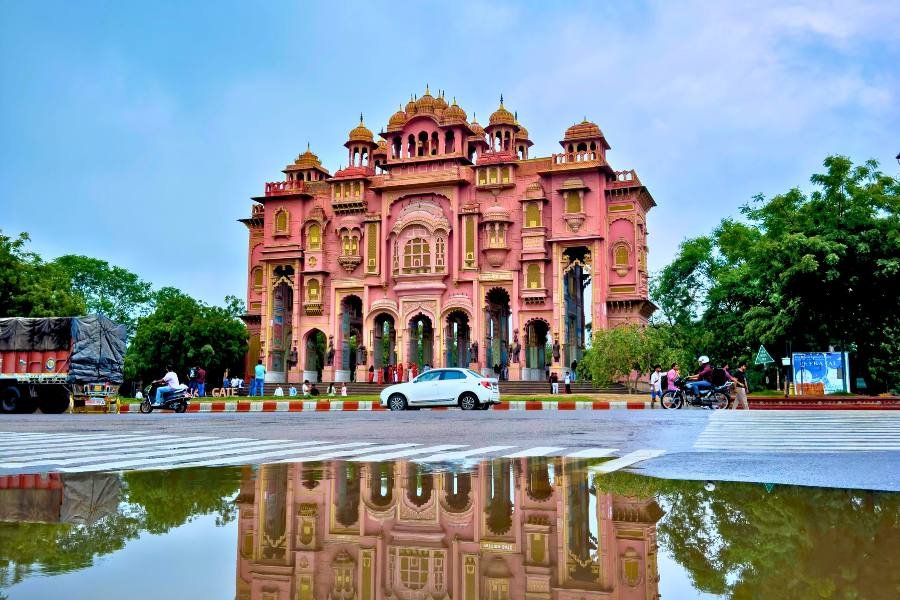
How Do I Plan a Delhi Agra Jaipur Tour in 5 Days?
Planning a trip through Delhi, Agra, and Jaipur in only five days may sound ambitious, but it is absolutely possible when the route is organized properly. These three destinations form one of India's most popular travel circuits, often called the Golden Triangle, because they connect the capital's historic landmarks, Agra's Mughal heritage, and Jaipur's royal architecture. The key is not trying to see everything. Instead, you need to choose the major attractions, arrange transportation between cities, select hotels in convenient areas, and leave enough breathing room to actually enjoy each destination.
A well-planned Delhi Agra Jaipur Tour in 5 Day can include major highlights such as the Red Fort, India Gate, Humayun's Tomb, Taj Mahal, Agra Fort, Amber Fort, City Palace, Hawa Mahal, and Jantar Mantar. The Ministry of Tourism's destination information also recognizes Agra's Taj Mahal and Agra Fort among major attractions, while recent government tourism data shows just how significant these monuments remain: the Taj Mahal recorded more than 6.26 million domestic visitors in 2024-25 and was also India's most visited centrally protected monument by foreign visitors during that period.
The easiest way to approach this journey is as a one-way route rather than repeatedly returning to Delhi. Start in Delhi, travel to Agra, continue to Jaipur, and finish in Jaipur. That simple arrangement reduces unnecessary backtracking and gives you more sightseeing time.
Why Choose Delhi, Agra and Jaipur for a Five-Day Trip?
Delhi, Agra, and Jaipur work particularly well together because each city offers a different side of India's history and culture. Delhi introduces you to centuries of imperial architecture, busy markets, religious monuments, museums, and modern urban life. Agra focuses heavily on Mughal history, with the Taj Mahal and Agra Fort forming the heart of the visit. Jaipur then changes the atmosphere completely, bringing colorful bazaars, enormous forts, royal palaces, traditional crafts, and Rajasthan's distinctive architectural style.
The route is also practical for travelers who do not have several weeks available. India's Ministry of Tourism has historically promoted short Golden Triangle-style itineraries combining Delhi, Agra, and Jaipur attractions, demonstrating why this circuit works well for compact holidays.
Instead of treating the five days as five completely separate sightseeing days, think of the journey as a continuous experience. Delhi is your introduction, Agra is the emotional centerpiece, and Jaipur provides the grand finale. That structure makes the trip feel balanced rather than rushed.
What Is the Ideal Route?
The most practical route is:
Delhi → Agra → Jaipur
This direction keeps the journey straightforward and avoids returning to Delhi after visiting Agra. You can begin in Delhi, spend the first day exploring selected attractions, travel to Agra on the second day, dedicate substantial time to the Taj Mahal and Agra Fort, and then continue toward Jaipur.
If your international or domestic flight arrives in Delhi and departs from Jaipur, this route becomes especially convenient. If your return flight is from Delhi, you can still finish in Jaipur and return to Delhi on the final evening or the following morning depending on your flight schedule.
For most travelers, a private car with a driver provides the greatest flexibility. Trains can also be useful, particularly between Delhi and Agra, but a car becomes more valuable when you want to combine sightseeing with intercity transfers.
How Should You Divide Five Days?
A simple division is:
| Day | Destination | Main Experience |
|---|---|---|
| Day 1 | Delhi | Old and New Delhi sightseeing |
| Day 2 | Delhi to Agra | Taj Mahal and Agra sightseeing |
| Day 3 | Agra to Jaipur | Agra Fort and journey to Jaipur |
| Day 4 | Jaipur | Forts, palaces and markets |
| Day 5 | Jaipur | Morning sightseeing and departure |
This arrangement gives you two nights in Agra/Jaipur depending on your hotel plan and allows you to experience the most important highlights without turning every hour into a race against the clock.
If you arrive late on Day 1, do not force a full Delhi sightseeing program. Move some attractions to Day 2 or shorten the list. Travel plans are much more enjoyable when you leave some flexibility for traffic, queues, meals, weather, and unexpected delays.
Day 1: Explore the Highlights of Delhi
Begin your Delhi Agra Jaipur Tour in 5 Day with Delhi, but resist the temptation to visit every famous landmark. Delhi is enormous, and trying to cover the entire city in one day can leave you exhausted before the journey has even reached Agra.
A sensible first-day route can include India Gate, Humayun's Tomb, Qutub Minar, and selected areas of Old Delhi. If history is your main interest, Humayun's Tomb and Qutub Minar deserve more time. If you enjoy local culture, Old Delhi can provide a completely different experience through its narrow lanes, food stalls, markets, and historic architecture.
You can also visit the Red Fort if your schedule allows. The monument is one of Delhi's most recognizable historical landmarks and fits naturally into an Old Delhi itinerary. However, check attraction opening days and ticket information before finalizing your route because schedules can change.
Try to finish sightseeing at a reasonable hour. A good dinner and an early night can make the next morning much easier, particularly if you plan an early departure for Agra.
Where Should You Stay in Delhi?
For a short itinerary, location matters more than simply choosing the cheapest hotel. Staying somewhere with reasonable access to major roads, railway stations, or your planned sightseeing areas can save significant time.
Central Delhi, New Delhi, South Delhi, and areas with convenient metro or road connections can all work depending on your budget and arrival point. If you have an early morning road transfer to Agra, discuss the departure time with your driver before choosing a hotel.
For travelers arriving by air, consider the time required to reach your hotel from the airport. Delhi traffic can be unpredictable, so a hotel that looks close on a map may still require considerable travel time during busy periods.
Day 2: Delhi to Agra and the Taj Mahal
Day 2 is usually the most anticipated part of the journey. Leave Delhi early and travel toward Agra, giving yourself enough time to arrive before the main sightseeing period becomes crowded.
Once in Agra, the Taj Mahal should receive priority. The monument remains the city's defining attraction and is one of India's most visited centrally protected monuments. Government tourism data for 2024-25 recorded 6,264,225 domestic visitors and 645,624 foreign visitors to the Taj Mahal.
Because the Taj Mahal attracts large numbers of visitors, timing matters. Always verify the current visiting schedule before your trip, particularly if your itinerary falls near a special event, holiday, or full-moon period. Official monument rules and opening arrangements should take precedence over information copied from older travel websites. The Archaeological Survey of India publishes monument-related regulations and timings, making official sources the safest place to verify details before visiting.
After the Taj Mahal, have lunch and continue to Agra Fort. You can then spend the evening exploring local markets or relaxing at your hotel.
Can You Visit Agra Fort on the Same Day?
Yes. Agra Fort pairs naturally with the Taj Mahal because the two attractions are close enough to include in one sightseeing day. Agra Fort provides a different perspective on Mughal history, with massive walls, courtyards, palaces, audience halls, and views toward the Taj Mahal.
This combination works particularly well because the Taj Mahal provides the iconic visual experience while Agra Fort adds historical depth. Instead of simply photographing the Taj Mahal and leaving Agra, you get a better understanding of the city's importance during the Mughal period.
If you arrive in Agra early enough, you may also consider Mehtab Bagh or Itimad-ud-Daulah, depending on your interests. Do not add too many attractions simply to make the itinerary look impressive. Two or three meaningful experiences are usually better than six rushed stops.
Day 3: Agra to Jaipur With Optional Fatehpur Sikri
Day 3 connects Agra with Jaipur. Depending on your departure time, you can visit another Agra attraction in the morning before beginning the journey toward Rajasthan.
One possible stop is Fatehpur Sikri, the historic Mughal city located between Agra and Jaipur. It can be a worthwhile addition for travelers interested in architecture and Mughal history. Government tourism data lists Fatehpur Sikri among the most visited centrally protected monuments by foreign visitors in 2024-25, with 97,441 visitors recorded.
After sightseeing, continue toward Jaipur. The journey takes several hours, so plan a relaxed afternoon rather than expecting another complete sightseeing day.
Once you reach Jaipur, check into your hotel and spend the evening at leisure. You could explore a local market, enjoy a traditional Rajasthani meal, or simply rest after the road journey.
Where Should You Stay in Jaipur?
Jaipur offers accommodation across several areas, so choose according to your priorities. Staying close to the historic city can make evening exploration convenient, while hotels along the Jaipur-Delhi Highway can be useful if you have an early departure or prefer resort-style accommodation.
For a first visit, an area with easy access to the old city and major attractions can reduce driving time. Jaipur is spread out, and traffic around popular tourist areas can affect your schedule.
The Government of India's tourism infrastructure initiatives also continue to support development around major Jaipur attractions. In 2024-25, projects covering the Amber-Nahargarh area and Jal Mahal were sanctioned under the Special Assistance for States for Capital Investment initiative.
Day 4: Discover Jaipur's Royal Heritage
Day 4 should be dedicated to Jaipur. Begin with Amber Fort, one of the city's most important historical attractions. The hilltop setting, large courtyards, decorative halls, and surrounding landscape make it an excellent morning destination.
Continue toward the City Palace and Jantar Mantar in the historic city. Hawa Mahal can be included as a shorter photo stop or combined with nearby market exploration.
Jaipur works best when you allow yourself to slow down. The city is not only about monuments. Its colorful textiles, jewelry, handicrafts, block printing, traditional food, and bustling bazaars are part of the experience.
If you enjoy photography, early morning and late afternoon can produce attractive light around the historic architecture. If shopping is important, ask your driver or hotel for reputable local markets rather than spending your limited time visiting numerous commercial showrooms.
What Should You See in Jaipur?
For a five-day trip, prioritize the attractions that match your interests rather than trying to visit every location.
- Amber Fort for royal architecture and panoramic views.
- City Palace for Jaipur's royal heritage.
- Jantar Mantar for historic astronomical instruments.
- Hawa Mahal for one of the city's most recognizable façades.
- Jal Mahal for a scenic stop and photographs.
- Local markets for textiles, handicrafts, jewelry, and souvenirs.
You can adjust this list according to your pace. Families with children may want fewer museums and more open spaces, while architecture enthusiasts may prefer spending longer inside the forts and palace complexes.
Day 5: Final Jaipur Sightseeing and Departure
Your final day should be intentionally flexible. If your flight or train leaves later in the day, use the morning for one or two attractions you could not fit into Day 4.
You might visit a market for last-minute shopping, photograph Hawa Mahal in better morning light, or enjoy a relaxed breakfast before departure. Avoid scheduling a long-distance excursion on the final day unless your transportation departure is very late.
If you need to return to Delhi for an evening flight, calculate the road journey conservatively and leave a generous buffer. A five-day itinerary becomes stressful if the final transfer is planned with no margin for traffic.
Should You Travel by Car or Train?
Transportation can significantly change the experience of your trip.
| Option | Advantages | Considerations |
|---|---|---|
| Private car | Flexible stops, door-to-door travel, convenient for families | Higher cost than some public transport |
| Train | Fast on selected routes, avoids road traffic | Fixed schedules and station transfers |
| Bus | Budget-friendly | Less flexible and potentially longer |
| Flight | Useful for long-distance travel | Not necessary for the Delhi-Agra-Jaipur circuit |
For a short holiday, a private vehicle can be particularly practical because it combines transportation and sightseeing flexibility. You can leave when you want, stop for photographs, adjust meal breaks, and add attractions such as Fatehpur Sikri when time permits.
If budget is the priority, trains can reduce transportation costs. The important thing is to choose the method that matches your schedule rather than automatically selecting the cheapest option.
How Much Time Should You Spend at Each Attraction?
Avoid planning every minute. A useful rule is to allow approximately two to three hours for a major monument when you include walking, security, photography, and transportation around the attraction.
The Taj Mahal deserves several hours for most first-time visitors. Agra Fort can take another couple of hours depending on how deeply you explore it. Jaipur's Amber Fort and City Palace also deserve enough time to appreciate the architecture rather than simply rushing through for photographs.
The goal of Delhi Agra Jaipur Tour in 5 Day planning is not to collect the largest number of attraction names. The goal is to create a route where each major experience has enough time to feel meaningful.
What Is the Best Time of Year for This Tour?
The cooler months, broadly from October through March, are generally comfortable for sightseeing across Delhi, Agra, and Jaipur. Winter mornings can be cool, while afternoons may become pleasant for outdoor exploration.
The hotter months can make fort visits and walking tours considerably more demanding. If you travel during warmer weather, start outdoor sightseeing earlier and keep water, sunscreen, sunglasses, and light clothing available.
Monsoon months can bring rain and humidity, but they can also offer a different atmosphere and fewer visitors at some attractions. Your preferred travel season should therefore depend on whether your priority is comfortable weather, lower crowds, photography, festivals, or budget.
What Should You Pack?
Pack light because moving between three cities in five days is easier with fewer bags. Comfortable walking shoes are essential because historic monuments often involve uneven surfaces, steps, courtyards, and substantial walking.
A useful packing list includes:
- Comfortable walking shoes
- Lightweight day clothing
- Sunglasses and sunscreen
- Reusable water bottle
- Small day bag
- Identification and travel documents
- Portable phone charger
- Any required medications
- Light jacket for cooler mornings and evenings
If you visit religious sites, carry clothing that allows you to dress respectfully where required. Keeping your daily essentials in a small backpack can also make monument security procedures easier.
How Can You Avoid Common Planning Mistakes?
The biggest mistake is trying to see too much. Delhi, Agra, and Jaipur each contain enough attractions to occupy several days, so a five-day trip requires prioritization.
Another common mistake is ignoring travel time. A sightseeing schedule may look perfect on paper, but road traffic, hotel check-ins, meal breaks, queues, and unexpected delays all consume time.
Do not book hotels only because they have attractive photographs. Check their location, reviews, check-in policies, parking arrangements, and distance from the attractions you actually plan to visit.
Finally, verify monument schedules shortly before each visit. Official tourism and archaeological sources should take priority over old blog posts or social media information. This is especially important for major attractions such as the Taj Mahal, where visiting arrangements can vary by day and special occasion.
Sample Budget for Five Days
Your total budget depends heavily on hotel category, transportation, group size, meals, entrance tickets, and whether you use a private driver.
A simple budget structure is:
| Expense | Budget Approach | Comfortable Approach | Premium Approach |
|---|---|---|---|
| Hotels | Budget hotels | 3–4 star hotels | Luxury hotels |
| Transport | Train/bus mix | Private car | Premium vehicle |
| Food | Local restaurants | Mid-range restaurants | Fine dining |
| Sightseeing | Major attractions | Major + additional sites | Private experiences |
| Shopping | Local markets | Moderate shopping | Premium shopping |
For couples and families, private transportation can become more economical per person when the cost is shared among several travelers. Always request a clear quotation showing what is included, such as fuel, driver, tolls, parking, accommodation, entrance tickets, meals, and taxes.
Is Five Days Enough for Delhi, Agra and Jaipur?
Yes, five days can provide a satisfying introduction to all three cities if your expectations are realistic. You will not experience every neighborhood, museum, market, or monument, but you can cover the major highlights and still have time for meals and relaxation.
The most important thing is to protect the core experiences. In Delhi, focus on a few major landmarks. In Agra, prioritize the Taj Mahal and Agra Fort. In Jaipur, concentrate on Amber Fort, City Palace, Jantar Mantar, Hawa Mahal, and selected markets.
A carefully paced Delhi Agra Jaipur Tour in 5 Day is therefore less about squeezing an enormous number of attractions into a calendar and more about creating a logical route with sensible travel times.
Tips for Families, Couples and First-Time Visitors
Families should keep the itinerary slightly flexible because children may need additional breaks between monuments. Couples may want to include sunset viewpoints, rooftop dining, or heritage-style accommodation. First-time visitors should prioritize the iconic attractions before adding less-known locations.
If you are traveling with older family members, consider reducing the number of monuments and arranging comfortable transportation between stops. Jaipur's forts and Delhi's historic areas can involve significant walking, so pacing matters.
Photography enthusiasts should consider sunrise and sunset opportunities, while food lovers can build time into the itinerary for regional dishes. The best itinerary is ultimately the one that reflects the travelers rather than simply copying a generic schedule.
Final Five-Day Itinerary at a Glance
The complete plan can be summarized as follows:
Day 1: Delhi sightseeing — India Gate, Humayun's Tomb, Qutub Minar, Old Delhi or Red Fort.
Day 2: Delhi to Agra — Taj Mahal, Agra Fort, local market or Mehtab Bagh.
Day 3: Agra to Jaipur — optional Fatehpur Sikri, continue to Jaipur, evening at leisure.
Day 4: Jaipur sightseeing — Amber Fort, City Palace, Jantar Mantar, Hawa Mahal, Jal Mahal.
Day 5: Jaipur — final sightseeing or shopping, followed by departure.
This route creates a natural progression from India's capital to Mughal Agra and then to the royal heritage of Rajasthan.
Conclusion
Planning a five-day journey through Delhi, Agra, and Jaipur is mainly a matter of smart sequencing. Begin in Delhi, move south toward Agra, continue west to Jaipur, and avoid unnecessary backtracking. Give the Taj Mahal enough time, combine Agra Fort with your Agra visit, use the third day for the transition to Jaipur, and reserve a full day for Jaipur's major royal attractions.
A successful Delhi Agra Jaipur Tour in 5 Day should feel like a journey rather than a checklist. Choose the attractions that matter most to you, leave some space between activities, confirm current monument information before visiting, and select transportation based on your available time. With those decisions made in advance, five days can provide a memorable introduction to three of India's most culturally significant cities.
FAQs
1. Can I complete Delhi, Agra and Jaipur in five days?
Yes. Five days is enough for a first visit if you concentrate on the major attractions and use an efficient route. The recommended sequence is Delhi, Agra, and then Jaipur.
2. Is it better to travel from Delhi to Agra by car or train?
Both options can work. A train can be efficient when you are traveling between major stations, while a private car provides greater flexibility and makes it easier to combine sightseeing with transfers.
3. How many nights should I spend in Agra?
One night is usually sufficient for a five-day Golden Triangle itinerary. It gives you enough time to visit the Taj Mahal, Agra Fort, and potentially another nearby attraction without spending too much of the trip in one city.
4. Can I add Fatehpur Sikri to the itinerary?
Yes. Fatehpur Sikri can fit naturally between Agra and Jaipur, particularly if you travel by private car. However, allow enough time so that the additional stop does not make your Jaipur arrival unnecessarily late.
5. What is the most important thing to remember when planning this trip?
Do not overcrowd your schedule. The distance between attractions, traffic, security checks, meals, hotel check-ins, and sightseeing time can add up quickly. Prioritize the major attractions and keep your final day flexible.