How Can You Combine a Ranthambore Safari with the Golden Triangle Tour
October 29, 2026
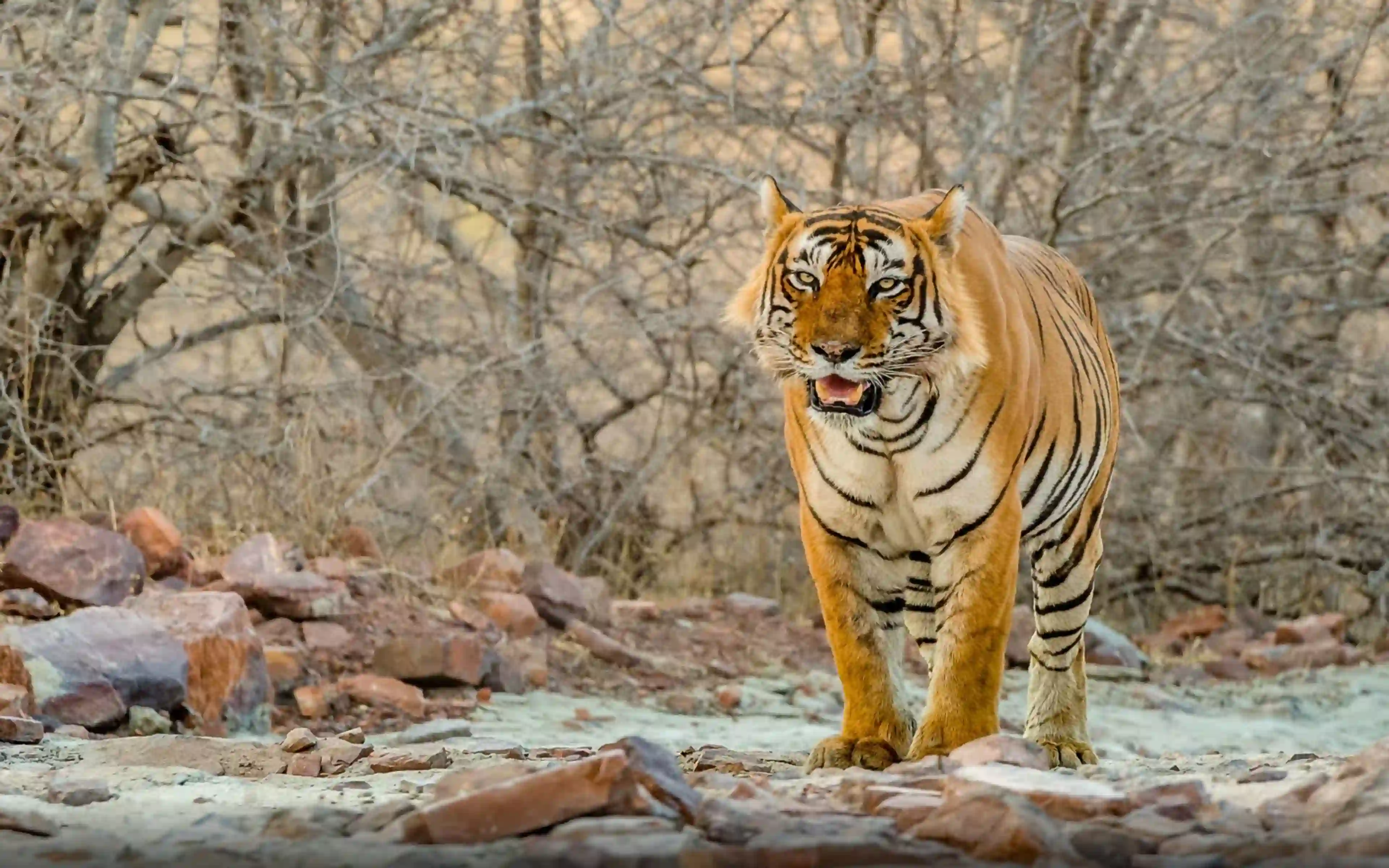
How Can You Combine a Ranthambore Safari with the Golden Triangle Tour?
India offers an incredible combination of royal heritage, historic monuments, colorful markets, and exciting wildlife experiences. For travelers who want to explore the country's cultural attractions while discovering its natural beauty, combining Delhi, Agra, Jaipur, and Ranthambore National Park is an excellent travel option. This journey brings together famous landmarks such as the Taj Mahal, historic Mughal architecture, Rajasthan's royal forts, and the possibility of spotting a Bengal tiger in its natural habitat.
The best way to enjoy a Ranthambore Safari with the Golden Triangle Tour is to plan a balanced itinerary that gives you enough time for sightseeing, comfortable road transfers, and wildlife safaris. Rather than rushing between destinations, you can spend a few days exploring India's most famous cities before heading to Ranthambore for an unforgettable jungle adventure.
The Golden Triangle traditionally connects Delhi, Agra, and Jaipur. Adding Ranthambore National Park extends this classic route into a more diverse holiday, making it particularly appealing to first-time visitors, wildlife enthusiasts, couples, families, and photographers.
In this guide, you will learn how to plan the route, how many days you need, which attractions to visit, when to go, and what to consider when booking your tour.
Why Combine Ranthambore Safari with the Golden Triangle Tour?
The Golden Triangle is one of India's most popular travel circuits because it introduces visitors to several important parts of the country's history and culture. Delhi offers a mix of historic monuments and modern city life, Agra is home to the world-famous Taj Mahal, and Jaipur showcases Rajasthan's royal architecture and traditions.
Ranthambore adds a completely different experience to this journey. Located in Rajasthan, Ranthambore National Park is widely known for its tiger population, forest landscapes, lakes, and historic ruins. A safari gives visitors an opportunity to explore the park with trained naturalists and experienced drivers while looking for wildlife in its natural environment.
Combining these destinations provides several benefits:
- Cultural sightseeing: Explore the Taj Mahal, Agra Fort, Amber Fort, City Palace, and other historic landmarks.
- Wildlife experiences: Take a jeep or canter safari in Ranthambore National Park, subject to availability and park regulations.
- Scenic travel: Experience changing landscapes as you travel from major cities to the countryside of Rajasthan.
- Flexible itineraries: Choose a shorter trip or extend your holiday to include additional destinations.
- A diverse holiday: Enjoy history, architecture, local cuisine, photography, shopping, and nature in one journey.
A carefully planned Ranthambore Safari with the Golden Triangle Tour allows you to experience India's heritage and wildlife without having to organize separate holidays for each interest.
How Many Days Do You Need for the Combined Tour?
The ideal duration depends on your interests, available vacation time, and preferred pace of travel. Although a shorter trip is possible, allowing enough time for Ranthambore is particularly important because wildlife sightings cannot be guaranteed during a single safari.
For most travelers, a journey of seven to nine days provides a practical balance between sightseeing and wildlife exploration.
5-Day Tour: A Short Introduction
A five-day itinerary is possible for travelers with limited time, but it requires a relatively fast pace. You may need to limit sightseeing in Delhi and Jaipur and carefully coordinate your travel to Ranthambore.
This option is best for travelers who have already visited some Golden Triangle attractions or who are comfortable with a busy schedule. It may provide only limited flexibility if road journeys take longer than expected.
7-Day Tour: A Balanced Experience
Seven days is a useful option for travelers who want to visit the major Golden Triangle destinations and include Ranthambore.
You can explore Delhi's highlights, visit the Taj Mahal and Agra Fort, continue to Ranthambore for a wildlife safari, and finish with Jaipur's principal attractions. The itinerary should be organized carefully to avoid spending too much time traveling between destinations.
8–9-Day Tour: More Time to Explore
An eight- or nine-day itinerary is often a better choice for first-time visitors. It allows additional time for sightseeing, hotel check-ins, rest, and potentially more than one safari.
You can also explore Jaipur at a comfortable pace, visit local markets, and enjoy traditional Rajasthani food without feeling that every day is rushed.
What Is the Best Route for the Combined Tour?
A practical route is Delhi → Agra → Ranthambore → Jaipur → Delhi. This arrangement connects the major Golden Triangle destinations with Ranthambore while keeping the journey relatively straightforward. Actual travel times depend on road conditions, traffic, and your hotel locations.
Day 1: Arrive in Delhi and Explore the Capital
Begin your journey in Delhi, India's capital. Depending on your arrival time, explore some of the city's most famous landmarks.
Popular attractions include India Gate, Qutub Minar, Humayun's Tomb, and the Red Fort. You can also visit Jama Masjid, Raj Ghat, or explore the lively lanes of Old Delhi.
Because Delhi has many attractions spread across a large area, it is best to select a few highlights instead of attempting to visit everything in one day. Spend the night in Delhi before continuing to Agra.
Day 2: Travel to Agra and Visit the Taj Mahal
Travel from Delhi to Agra by private car, train, or another suitable transport option. The road journey commonly takes around three to four hours, depending on the starting point and traffic.
Visit the Taj Mahal, one of the world's most celebrated monuments and a UNESCO World Heritage Site. Built by Mughal emperor Shah Jahan in memory of Mumtaz Mahal, the monument is admired for its white marble architecture, symmetry, and intricate decorative details.
After exploring the Taj Mahal, visit Agra Fort to discover its courtyards, palaces, and historic Mughal structures. If time permits, you can also consider visiting Itmad-ud-Daulah's Tomb or enjoying views of the Taj Mahal from Mehtab Bagh.
Spend the night in Agra so you can continue your journey the following day without rushing.
Day 3: Travel from Agra to Ranthambore
After breakfast, leave Agra and travel toward Ranthambore National Park. This is a substantial road journey, so allow enough time for traffic, meal breaks, and arrival arrangements.
Some itineraries include Fatehpur Sikri, the historic Mughal city located near Agra, before continuing toward Rajasthan. However, adding this stop makes the journey longer, so it is best to decide based on your departure time and energy level.
On arrival, check into your hotel, resort, or wildlife lodge near Ranthambore. Spend the rest of the day relaxing and preparing for your safari.
If you arrive early enough and have a confirmed safari booking, you may be able to participate in an afternoon safari. Otherwise, plan your first safari for the following morning.
Day 4: Enjoy a Ranthambore Wildlife Safari
Dedicate this day to exploring Ranthambore National Park. Depending on your confirmed booking, you may take a morning safari, an afternoon safari, or both.
The park is known for its Bengal tigers, but it also supports other wildlife, including leopards, sloth bears, sambar deer, chital, crocodiles, and numerous bird species. The exact animals you encounter will depend on their movements, the season, weather, and the safari zone assigned to your booking.
A safari is conducted in an authorized vehicle with a designated route and schedule. Visitors must follow park rules and instructions from their guide and driver.
If your schedule and budget permit, consider booking two safari drives. A second outing gives you another opportunity to observe the park's wildlife, although no number of safaris can guarantee a tiger sighting.
Spend another night near Ranthambore to avoid an exhausting transfer immediately after your wildlife experience.
Day 5: Travel from Ranthambore to Jaipur
After breakfast, travel to Jaipur, the capital of Rajasthan. Compared with the longer transfer from Agra, the journey from the Ranthambore area to Jaipur is generally more manageable, although the exact duration depends on your location and road conditions.
After checking into your hotel, spend the afternoon exploring Jaipur's local markets or visiting a nearby attraction if time allows.
Jaipur is famous for textiles, jewelry, handicrafts, traditional footwear, and colorful bazaars. Shopping can be a pleasant way to experience the city's local culture after your time in the national park.
Stay overnight in Jaipur.
Day 6: Explore Jaipur's Royal Attractions
Begin your sightseeing with Amber Fort, a magnificent complex located in the hills outside the city center. Explore its courtyards, gateways, and historic halls while learning about Rajasthan's royal heritage.
Continue to Jal Mahal for a scenic photo stop beside Man Sagar Lake. Access to the palace itself is restricted, so visitors generally admire it from permitted viewpoints.
Later, explore City Palace, which contains historic buildings, courtyards, and museum collections associated with Jaipur's royal family. Visit Jantar Mantar, the historic astronomical observatory, and photograph the distinctive facade of Hawa Mahal.
You may also include Nahargarh Fort if you have sufficient time. Because the main attractions require walking and some travel between locations, avoid overcrowding your schedule.
Day 7: Enjoy Jaipur or Return to Delhi
On the final day, choose an itinerary that matches your onward travel arrangements.
If you have a later departure, you may spend the morning exploring local markets, visiting Albert Hall Museum, or enjoying a traditional Rajasthani meal before traveling onward.
You can return to Delhi by road or use another suitable transport connection. If you have an international flight, allow a generous buffer for the journey to the airport.
For travelers with more time, adding another night in Jaipur or Delhi can make the trip more relaxed and reduce the pressure of coordinating sightseeing with departure schedules.
What Is Included in a Ranthambore Safari Tour?
The inclusions vary by operator, so carefully review the package before booking. Some tours provide only transportation and sightseeing, while others combine accommodation, meals, guides, and safari arrangements.
A comprehensive package may include:
- Private vehicle for travel between Delhi, Agra, Ranthambore, and Jaipur.
- Hotel accommodation in selected destinations.
- Breakfast or other meals specified in the itinerary.
- Sightseeing at major monuments and attractions.
- A local guide for selected city visits.
- A confirmed Ranthambore safari booking, subject to availability and applicable rules.
- Pickup and drop-off at agreed locations.
- Assistance with travel coordination and hotel check-ins.
However, do not assume that all these services are included in the advertised price. Monument tickets, safari fees, meals other than breakfast, guide services, taxes, and other expenses may be charged separately.
Before paying, request a written itinerary that clearly identifies what is included and excluded. Also confirm the number of safari drives, vehicle type, pickup arrangements, and any restrictions that may apply.
How Does the Ranthambore Safari Work?
Ranthambore safaris take place in designated areas of the national park under official rules. Visitors generally book either a jeep or a larger canter, depending on availability and the permitted arrangements for the selected safari.
Jeep Safari
A jeep safari usually takes place in a smaller open vehicle with limited seating. It can offer a more intimate wildlife experience and is often preferred by photographers and small groups.
Availability can be limited, especially during busy travel periods. Reserve early where possible and verify the vehicle type and booking conditions before confirming your trip.
Canter Safari
A canter is a larger safari vehicle that accommodates more visitors. It is another option for exploring the park and may suit travelers who cannot secure a jeep booking.
The choice between a jeep and a canter does not guarantee better wildlife sightings. Animals move freely throughout their habitat, and sightings depend on natural conditions rather than vehicle type alone.
Why Consider More Than One Safari?
Wildlife sightings are unpredictable. Tigers may be resting in dense vegetation, moving through a different part of the forest, or simply out of view during your visit.
If your budget and itinerary allow, booking two safari drives can give you more opportunities to observe wildlife and experience different conditions. Follow the instructions of your guide and driver, remain quiet when appropriate, and never attempt to approach or feed wild animals.
What Is the Best Time to Combine Ranthambore with the Golden Triangle?
The best travel period depends on whether you prioritize comfortable sightseeing, wildlife viewing, or a combination of both.
October to March: Comfortable Weather for Sightseeing
The cooler months are generally popular for exploring Delhi, Agra, and Jaipur. Temperatures are often more comfortable for walking around forts, palaces, and monuments.
This period is particularly suitable for travelers who want a balanced itinerary that combines heritage sightseeing with a safari. However, winter fog can sometimes affect visibility and transport schedules in northern India, so allow flexibility when planning transfers.
April to June: Hot Weather and Different Wildlife Conditions
Summer temperatures in Rajasthan can be very high, making sightseeing more demanding. Travelers visiting during these months should plan outdoor activities carefully, carry water, and follow local advice.
Wildlife viewing conditions vary, and warmer weather may influence animal movements. Nevertheless, a tiger sighting is never guaranteed, regardless of the season.
July to September: Check Seasonal Park Restrictions
The monsoon period can bring rain and changes to park access. Some safari zones or routes may be closed or restricted according to park regulations and conditions.
Before booking, verify the current seasonal schedule for Ranthambore and confirm which zones are available during your travel dates. Do not rely on a general seasonal description as a guarantee that a particular safari will operate.
How Much Does the Combined Tour Cost?
The total price depends on the duration, hotel category, vehicle type, number of travelers, guide services, monument admission, and safari arrangements.
Budget packages may focus on basic transportation and sightseeing, with accommodation and tickets charged separately. Mid-range options may include private transport, comfortable hotels, selected meals, and a planned safari. Premium packages can offer higher-category accommodation, customized sightseeing, and additional assistance with arrangements.
Safari bookings can have their own fees and conditions, so make sure the operator explains whether the safari cost is included in the total price. Confirm whether the quoted amount covers one drive or multiple drives and whether any additional charges apply.
The most effective way to compare tours is to evaluate the full itinerary rather than the advertised starting price. A lower-priced option may exclude important services, while a higher-priced package may include accommodation, transport, and safari bookings.
For families or groups, ask for a quotation based on the exact number of travelers. Compare the vehicle capacity, room arrangements, cancellation terms, and total cost before making your decision.
Essential Tips for Planning Your Tour
A little preparation can make the journey much smoother, especially when it combines several cities with a wildlife destination.
- Book safaris in advance: Safari seats and preferred zones may be limited. Confirm the booking arrangements before finalizing the rest of your travel plans.
- Carry valid identification: The information required for safari reservations must match the applicable booking rules. Check the current identification requirements and carry the documents requested by the operator.
- Allow enough transfer time: The journey from Agra to Ranthambore can take a significant part of the day. Avoid scheduling a safari immediately after arrival unless the timing and booking are confirmed.
- Pack appropriate clothing: Bring comfortable walking shoes, sun protection, and clothing suited to the season. Early-morning safaris can feel cool during winter, so an extra layer may be useful.
- Follow wildlife rules: Listen to your guide and driver, stay inside the authorized vehicle as instructed, and avoid loud noises or actions that could disturb animals.
- Check monument schedules: Opening days and admission arrangements can differ between attractions. The Taj Mahal, for example, is normally closed to visitors on Fridays, so plan your Agra sightseeing accordingly.
- Keep your itinerary flexible: Traffic, weather, and wildlife conditions can affect travel plans. Avoid arranging essential onward connections too close to the end of a safari or long road journey.
Is This Tour Suitable for Families, Couples, and First-Time Visitors?
Yes. A combined Golden Triangle and Ranthambore holiday can suit many types of travelers, provided the itinerary matches their pace and interests.
Families can enjoy the variety of historical landmarks, scenic drives, and wildlife experiences. For a family trip, choose comfortable accommodation, schedule regular breaks, and check the safari operator's age and participation requirements before booking.
Couples may enjoy the combination of historic architecture, local dining, comfortable hotels, and a memorable wildlife excursion. You can customize the itinerary to include more relaxed mornings, photography stops, or an additional night at a wildlife lodge.
First-time visitors to India can benefit from having transportation and hotel arrangements coordinated in advance. This can simplify travel between destinations and leave more time for exploring the attractions.
Wildlife enthusiasts and photographers may prefer a longer stay in Ranthambore with multiple safari drives. Travelers whose primary interest is history may instead choose to spend more time in Delhi, Agra, and Jaipur while keeping one or two safari outings in the itinerary.
Common Mistakes to Avoid
One common mistake is trying to cover too many attractions in too few days. Delhi, Agra, Jaipur, and Ranthambore each offer experiences that deserve time and attention. A packed schedule can turn an enjoyable holiday into a series of rushed transfers.
Another mistake is assuming that a safari guarantees a tiger sighting. Ranthambore is famous for tigers, but it is a natural habitat rather than a zoo. Enjoy the wider wildlife and scenery, and treat a tiger encounter as a possibility rather than a promise.
Travelers should also avoid booking a package without checking its exclusions. Ask about safari fees, monument admission, accommodation, meals, parking, and guide services.
Finally, do not overlook travel time between destinations. Confirm the planned departure times and allow sufficient flexibility for road conditions, particularly when coordinating a safari with a hotel check-in or onward journey.
Conclusion
Combining India's Golden Triangle with Ranthambore National Park creates a varied holiday that brings together royal history, Mughal architecture, colorful city life, and wildlife exploration. You can admire the Taj Mahal in Agra, discover Jaipur's magnificent forts and palaces, explore Delhi's historic landmarks, and experience the natural environment of one of Rajasthan's best-known tiger reserves.
A well-planned Ranthambore Safari with the Golden Triangle Tour should include enough time for the major attractions, comfortable transfers, suitable accommodation, and a confirmed safari arrangement. Seven to nine days is a useful starting point for travelers who want a balanced experience, although the ideal duration depends on your schedule and interests.
Before booking, compare the itinerary, total price, safari details, hotel category, and included services. Make reservations early when possible, follow park rules, and keep your schedule flexible enough to accommodate natural and travel-related uncertainties.
With thoughtful planning, this journey can offer a memorable introduction to India's cultural heritage and wildlife while allowing you to experience several remarkable destinations in a single trip.
Frequently Asked Questions
1. Can I combine Ranthambore with the Golden Triangle Tour?
Yes. You can add Ranthambore National Park to the traditional Delhi, Agra, and Jaipur route. A common itinerary travels from Delhi to Agra, then to Ranthambore, followed by Jaipur and a return to Delhi.
2. How many days are required for the combined tour?
Seven to nine days is a practical duration for many travelers. A shorter trip is possible, but it may require less time in the cities and a tighter travel schedule.
3. How many safaris should I book in Ranthambore?
One safari can introduce you to the park, while two or more drives provide additional opportunities to observe wildlife. Sightings are never guaranteed, and the number of drives should depend on your budget, availability, and travel schedule.
4. Is Ranthambore included in every Golden Triangle tour?
No. The traditional Golden Triangle covers Delhi, Agra, and Jaipur. Ranthambore must be added as an extra destination, and the itinerary and price should explicitly include it.
5. What is the best season for the combined tour?
October to March is generally comfortable for sightseeing across Delhi, Agra, and Jaipur. Ranthambore access and safari conditions vary by season, so check current park rules and availability before confirming your dates.
6. Are safari fees included in the package price?
Not always. Some packages include confirmed safari arrangements, while others charge safari fees separately. Ask the operator to confirm the number of drives, vehicle type, and all applicable costs in writing.
7. Is the combined tour suitable for first-time visitors to India?
Yes. It combines major historical attractions with a wildlife experience and can be convenient when transportation, accommodation, and sightseeing are coordinated in advance. A private itinerary can also be adjusted to suit your preferred pace.