Golden Triangle India: Everything You Need to Know Before You Go
Planning your first trip to India can feel overwhelming because the country offers so many destinations, cultures, monuments, landscapes, and experiences. If you want to experience some of the country's most famous historical and cultural attractions in one journey, the classic Delhi, Agra, and Jaipur route is an excellent place to start. This popular travel circuit brings together ancient history, Mughal architecture, royal heritage, colorful markets, traditional cuisine, and vibrant local culture.
The Golden Triangle India route connects three major destinations: Delhi, Agra, and Jaipur. Each city has a distinct character and offers different experiences. Delhi combines centuries of history with modern city life, Agra is home to the world-famous Taj Mahal, and Jaipur introduces travelers to the magnificent forts and palaces of Rajasthan.
Whether you are planning a short holiday, a private car tour, a family vacation, or a longer India itinerary, understanding the route before you travel can help you make the most of your time.
What Is the Golden Triangle?
The Golden Triangle is a popular tourist circuit connecting Delhi, Agra, and Jaipur. These three destinations form a roughly triangular route in northern India and are among the country's most visited tourist cities.
Delhi is generally the starting point because of its international airport and excellent transportation connections. From Delhi, travelers usually continue to Agra, followed by Jaipur, before returning to Delhi or continuing to another destination.
The Golden Triangle India itinerary is popular because it allows visitors to experience several important aspects of the country within a relatively short period. Travelers can explore Mughal monuments in Delhi and Agra, followed by the royal architecture and traditions of Rajasthan in Jaipur.
The route can be completed in approximately four to seven days, although travelers with more time can easily extend the trip with destinations such as Ranthambore, Udaipur, Pushkar, Varanasi, or Amritsar.
Which Cities Are Included?
The three principal destinations are Delhi, Agra, and Jaipur. Each destination provides a different perspective on India's history, culture, architecture, food, and traditions.
Delhi
India's capital is a fascinating combination of historic monuments, busy markets, modern neighborhoods, religious sites, museums, and government buildings.
Popular attractions include the Red Fort, India Gate, Qutub Minar, Humayun's Tomb, Jama Masjid, Lotus Temple, and Raj Ghat. Depending on your schedule, you can explore both Old Delhi and New Delhi.
Old Delhi is especially interesting for travelers who want to experience traditional markets, street food, historic mosques, and busy local streets.
Agra
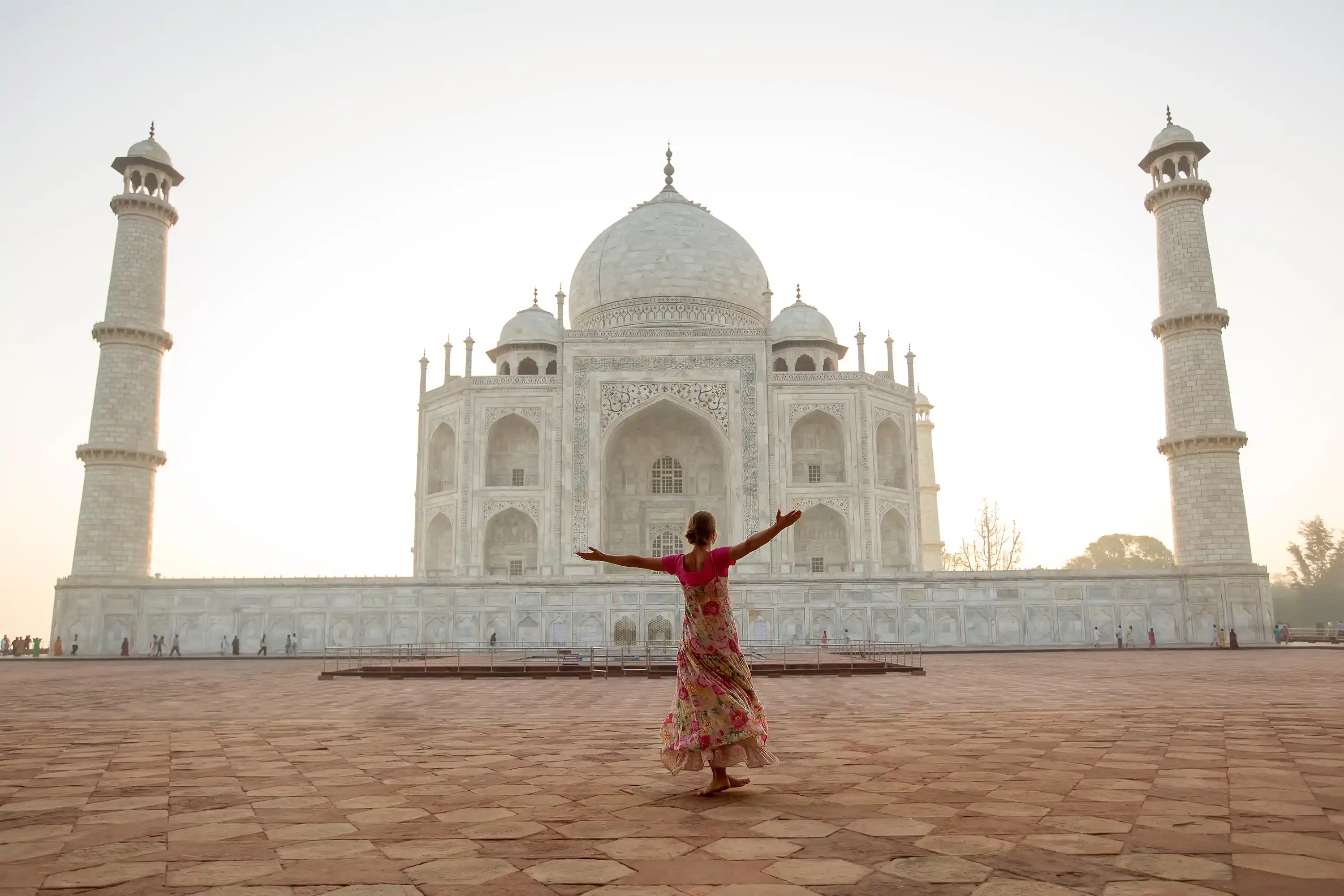
Agra is best known as the home of the Taj Mahal, one of India's most recognizable monuments. The city was an important center during the Mughal period and contains several significant historical attractions.
The Taj Mahal is the main highlight, but travelers should also visit Agra Fort and, if time allows, Itmad-ud-Daulah's Tomb and Mehtab Bagh.
A night in Agra is useful for travelers who want to experience the Taj Mahal at sunrise without rushing from Delhi.
Jaipur
Jaipur is the capital of Rajasthan and is famous for its forts, palaces, colorful markets, handicrafts, and royal heritage.
Major attractions include Amber Fort, City Palace, Hawa Mahal, Jantar Mantar, Jal Mahal, and local bazaars. Jaipur also offers opportunities to experience Rajasthani cuisine, traditional textiles, jewelry, handicrafts, and cultural performances.
How Many Days Do You Need?
The ideal duration depends on your interests and travel style.
A three-day itinerary can cover the essential highlights, but the schedule will be busy. A four-day trip provides more breathing room, while five days is a comfortable choice for many first-time visitors.
A typical itinerary could look like this:
- Day 1: Delhi sightseeing
- Day 2: Delhi to Agra and Agra sightseeing
- Day 3: Taj Mahal sunrise and travel to Jaipur
- Day 4: Jaipur sightseeing
- Day 5: Jaipur to Delhi
If you have six or seven days, you can slow down the schedule and add additional attractions.
Travelers interested in wildlife can also consider adding Ranthambore National Park between Agra and Jaipur. This creates an extended route combining historical sightseeing with a wildlife safari experience.
Best Way to Travel Between Delhi, Agra, and Jaipur
There are several transportation options, including private cars, trains, buses, and flights for longer extensions.
For sightseeing-focused trips, a private car with a professional driver can provide flexibility. You can stop along the route, adjust your sightseeing schedule, and travel directly between hotels and attractions.
The Delhi to Agra journey by road generally takes several hours depending on traffic and road conditions. Agra to Jaipur is also conveniently connected by road.
Trains can be useful for travelers who prefer public transportation, particularly between Delhi and Agra. However, a private vehicle can be more convenient if you are traveling with family, carrying luggage, or visiting attractions outside the main cities.
Why Choose a Private Car and Driver?
A private car can make the journey more comfortable, especially for first-time visitors.
With a private vehicle, you can generally customize the itinerary according to your interests. You can also spend more time at places that interest you and reduce time at attractions that are less important to you.
A professional driver familiar with the route can also help with navigation, parking, and transportation between destinations.
If you want guided sightseeing, you can combine the private car with licensed local guides in Delhi, Agra, and Jaipur. This gives you transportation flexibility while allowing you to learn more about the history and architecture of each monument.
What Should You See in Delhi?
Delhi has more attractions than can comfortably fit into one day, so planning ahead is important.
For a first visit, consider including Qutub Minar, Humayun's Tomb, India Gate, the Red Fort, Jama Masjid, and a drive through central government areas.
If you enjoy architecture and history, Humayun's Tomb and Qutub Minar are particularly worthwhile. For cultural experiences, Old Delhi offers busy markets, traditional food, and historic neighborhoods.
Do not try to visit every attraction in one day. Choose a manageable selection and leave time for traffic and breaks.
What Should You See in Agra?
The Taj Mahal should be the central attraction of your Agra itinerary.
Many travelers prefer to visit the monument early in the morning because the atmosphere can be especially pleasant around sunrise. After visiting the Taj Mahal, you can have breakfast before continuing to Agra Fort.
Agra Fort is another major historical attraction and provides impressive views of the Taj Mahal from certain areas.
If your schedule permits, you can also visit Itmad-ud-Daulah's Tomb, often called the Baby Taj, or Mehtab Bagh across the Yamuna River.
What Should You See in Jaipur?
Jaipur offers a completely different atmosphere from Delhi and Agra.
Amber Fort is one of the city's most important attractions and is located outside the central city area. The fort combines impressive architecture with views of the surrounding landscape.
Hawa Mahal is another iconic Jaipur landmark. Its distinctive façade has become one of the most recognizable symbols of Rajasthan.
City Palace provides insight into Jaipur's royal history, while Jantar Mantar showcases historic astronomical instruments.
Travelers should also leave time for shopping. Jaipur is known for textiles, jewelry, blue pottery, handicrafts, traditional clothing, and other locally produced goods.
Best Time to Visit
The cooler months from approximately October through March are generally popular for visiting Delhi, Agra, and Jaipur.
Winter mornings can be cool, particularly in December and January, while afternoons are often more comfortable for sightseeing.
The summer months can be extremely hot, with daytime temperatures making outdoor sightseeing more challenging. If you travel during this period, schedule major outdoor attractions for the morning or late afternoon and stay hydrated.
The monsoon season can bring rain and higher humidity. However, the landscape can become greener, and travelers may find fewer crowds at some attractions.
Your ideal travel season will depend on your tolerance for heat, preferred activities, budget, and availability.
Where Should You Stay?
Each city offers accommodation ranging from budget guesthouses to luxury heritage hotels.
In Delhi, staying in a convenient neighborhood with good access to major roads or metro connections can make sightseeing easier.
In Agra, staying near the Taj Mahal can be convenient if you want to visit the monument early in the morning.
Jaipur offers everything from modern hotels to restored heritage properties. Staying near the historic areas can make it easier to explore attractions and markets.
When choosing accommodation, consider location, cleanliness, transportation access, guest reviews, and the services included rather than focusing only on the room price.
What Food Should You Try?
Food is an important part of the journey.
Delhi is known for street food, Mughlai cuisine, kebabs, parathas, chaat, and a wide range of regional Indian dishes.
Agra offers Mughlai-inspired dishes and local specialties. Jaipur is known for Rajasthani cuisine, including dal baati churma, gatte ki sabzi, ker sangri, and traditional sweets.
If you are unfamiliar with spicy food, tell restaurant staff about your preferences. Bottled or filtered drinking water is generally a practical choice for travelers.
Shopping During the Trip
Each destination offers different shopping opportunities.
Delhi has large markets, handicraft stores, modern shopping centers, and traditional bazaars. Agra is known for marble handicrafts, leather goods, textiles, and souvenirs inspired by the Taj Mahal.
Jaipur is particularly well known for jewelry, gemstones, block-printed textiles, carpets, pottery, traditional clothing, and handicrafts.
When buying expensive jewelry, gemstones, or other valuable items, choose established retailers and request proper documentation.
What Should You Pack?
Your packing list should depend on the season and length of your trip.
Comfortable walking shoes are essential because many attractions involve walking across courtyards, pathways, and uneven surfaces.
- Lightweight and breathable clothing
- A light jacket during winter
- Sunglasses
- Sunscreen
- A reusable water bottle
- Personal medications
- Travel documents
- A small day bag
- Phone charger or power bank
Modest clothing is recommended when visiting religious sites. Carrying a scarf or lightweight covering can also be useful.
Can You Add Ranthambore?
Yes. Ranthambore can be added to the classic itinerary for travelers interested in wildlife.
A popular extended route is Delhi → Agra → Ranthambore → Jaipur → Delhi. Ranthambore National Park is known for its wildlife, particularly its tiger population, as well as its historic fort and natural landscapes.
Adding Ranthambore usually requires at least one additional night, and safari availability should be checked in advance.
This combination can make the journey more diverse by bringing together major historical attractions and a wildlife experience.
How to Make the Trip More Comfortable
Avoid packing too many attractions into a single day. Traffic, queues, meal breaks, photography stops, and unexpected delays can affect your schedule.
Starting sightseeing early can help you avoid some of the busiest periods and make outdoor exploration more comfortable.
A flexible itinerary is especially useful for families, older travelers, and visitors traveling during warmer months.
The Golden Triangle India experience becomes much easier when transportation, hotels, monument visits, and sightseeing priorities are organized before departure.
It is also useful to keep some free time in your itinerary. You may discover a market, restaurant, cultural experience, or local attraction that you want to explore spontaneously.
Is the Golden Triangle Suitable for First-Time Visitors?
For many travelers, the route provides a practical introduction to northern India because it combines several different experiences within a manageable geographic area.
You can experience the capital city in Delhi, Mughal history in Agra, and Rajasthan's royal heritage in Jaipur.
At the same time, the journey introduces visitors to India's busy streets, diverse food, local markets, religious traditions, and different styles of architecture.
The Golden Triangle India route can also be customized for different travel styles. Couples may prefer boutique hotels and relaxed sightseeing, families may prioritize comfortable transportation, while photography enthusiasts can dedicate more time to monuments and local neighborhoods.
Important Travel Tips Before You Go
Before starting your trip, check the current opening days, ticket information, and entry requirements for the monuments you plan to visit.
Keep digital and physical copies of important travel documents. Use reputable transportation and accommodation providers, particularly if this is your first visit.
Respect local customs when visiting temples, mosques, and other religious sites. Follow photography restrictions and monument rules.
Keep valuables secure in crowded markets and tourist areas, and be cautious when purchasing expensive souvenirs.
Most importantly, allow yourself time to enjoy the destination rather than treating the itinerary as a checklist.
Final Thoughts
The Golden Triangle India circuit offers a memorable introduction to some of northern India's most famous destinations. Delhi provides history and urban culture, Agra delivers extraordinary Mughal heritage and the Taj Mahal, while Jaipur showcases Rajasthan's royal architecture and colorful traditions.
The route can be completed in a few days or expanded into a longer journey with destinations such as Ranthambore, Udaipur, or Pushkar.
With thoughtful planning, comfortable transportation, suitable accommodation, and enough time for sightseeing, your journey can combine India's famous landmarks with authentic cultural experiences.
Before booking, decide what you want most from the trip: historical sightseeing, food, shopping, photography, wildlife, luxury accommodation, or a relaxed cultural experience. Then build your itinerary around those priorities.
A well-planned trip gives you the opportunity to see the major attractions while still leaving room to enjoy the atmosphere, people, food, and everyday experiences that make traveling through India so rewarding.
Frequently Asked Questions
1. How many days are enough for the Golden Triangle?
Four to five days can cover the major attractions in Delhi, Agra, and Jaipur. Six or seven days allow for a more relaxed itinerary.
2. Which city should I visit first?
Most international travelers start in Delhi because of its major airport and transportation connections. The route can then continue to Agra and Jaipur.
3. Can I visit the Taj Mahal and Jaipur on the same day?
It is possible to visit the Taj Mahal in the morning and travel toward Jaipur afterward, but you should allow sufficient time for sightseeing, meals, and the road journey.
4. Is a private car useful for this trip?
A private car can provide flexibility and convenience, particularly for families, couples, and travelers who want to customize their schedule.
5. Should I stay overnight in Agra?
An overnight stay is useful if you want to visit the Taj Mahal around sunrise and explore additional attractions without rushing.
6. Can Ranthambore be added to the itinerary?
Yes. Ranthambore can be added between Agra and Jaipur, although you should allow additional time for the park and safari activities.
7. What is the best way to plan the trip?
Start by deciding how many days you have, choose your must-see attractions, select suitable hotels, arrange transportation, and leave some flexibility for unexpected delays and experiences.