Golden Triangle India: The Ultimate Guide to Delhi, Agra, and Jaipur
December 3, 2025
Golden Triangle India: The Ultimate Guide to Delhi, Agra, and Jaipur
The Golden Triangle India Tour: What Is It?
The Golden Triangle India Tour connects the three most historically rich and culturally vibrant cities in North India: Delhi, Agra, and Jaipur. Together, they form a triangular travel route of approximately 720–750 km. This circuit is known for its mix of Mughal architecture, royal Rajput heritage, lively bazaars, ancient forts, colorful markets, and diverse cuisines. Travelers can explore centuries of Indian history within just a few days while enjoying modern amenities, excellent road connectivity, and unforgettable sightseeing experiences.
Best Time to Visit the Golden Triangle India
Winter Season (October to March)
The most popular time to visit. The weather is pleasant and ideal for sightseeing. Perfect for visiting the Taj Mahal at sunrise, exploring Jaipur’s forts, and walking through Old Delhi.
Summer Season (April to June)
Hot and dry. Travel is possible but requires planning, hydration, and early-morning sightseeing.
Monsoon (July to September)
Green landscapes and fewer crowds. Occasional rain showers add charm to the palaces and gardens of the Golden Triangle.
How Many Days You Need for the Golden Triangle Tour
Three Days
Highlights in brief:
Day 1: Delhi
Day 2: Agra
Day 3: Jaipur
Four Days
More laid-back sightseeing, such as Chandni Chowk or Fatehpur Sikri.
5–6 Days
Best for cultural immersion, food walks, markets, and more historical stops.
How to Travel: Road, Train, and Flight Options
By Road
Delhi to Agra: 3–4 hours via Yamuna Expressway
Agra to Jaipur: 4–5 hours
Delhi to Jaipur: 5–6 hours
By Train
Multiple Shatabdi, Gatimaan, and Vande Bharat trains cover this route efficiently.
By Air
There are limited flights from Jaipur to Delhi or Agra, but they are typically not required.
Delhi – First Point of the Golden Triangle
Old Delhi - Heritage & Mughal History
Red Fort
A UNESCO World Heritage Site created by Emperor Shah Jahan, with enormous sandstone walls, courtyards, and Mughal architecture.
Jama Masjid
India’s largest mosque, known for its marble domes, minarets, and lively surroundings.
Chandni Chowk
One of the oldest markets in India, notable for street cuisine, spice shops, jewelry lanes, and sari bazaars.
Raj Ghat
The memorial of Mahatma Gandhi, surrounded by serene gardens.
Modern and Colonial Architecture in New Delhi
India Gate
A war memorial created under the British Raj, surrounded by grounds and fountains.
Rashtrapati Bhavan
The President of India's official residence, including expansive Mughal Gardens.
Parliament House
A circular architectural masterpiece designed by Sir Herbert Baker.
Humayun’s Tomb
The first garden tomb in India; a forerunner to the Taj Mahal.
Qutub Minar
Ancient ruins encircle a tall minaret constructed by Qutub-ud-din Aibak.
Lotus Temple
A Bahá'í House of Worship recognized for its lotus-shaped architecture and serene ambiance.
Akshardham Temple
A modern architectural masterpiece with beautiful carvings and cultural exhibitions.
Markets and Shopping in Delhi
Sarojini Nagar
Affordable apparel and stylish fashion.
Connaught Place
High-end shopping, cafés, and colonial architecture.
Janpath Market
Handicrafts and souvenirs.
Dilli Haat
Regional cuisine, textiles, and crafts from various Indian states.
Delhi's Best Foods to Try
Butter Chicken
Chole Bhature
Kebabs at Karim’s
Parathas at Paranthe Wali Gali
Momos
Street chaats
Agra – The City of the Taj Mahal
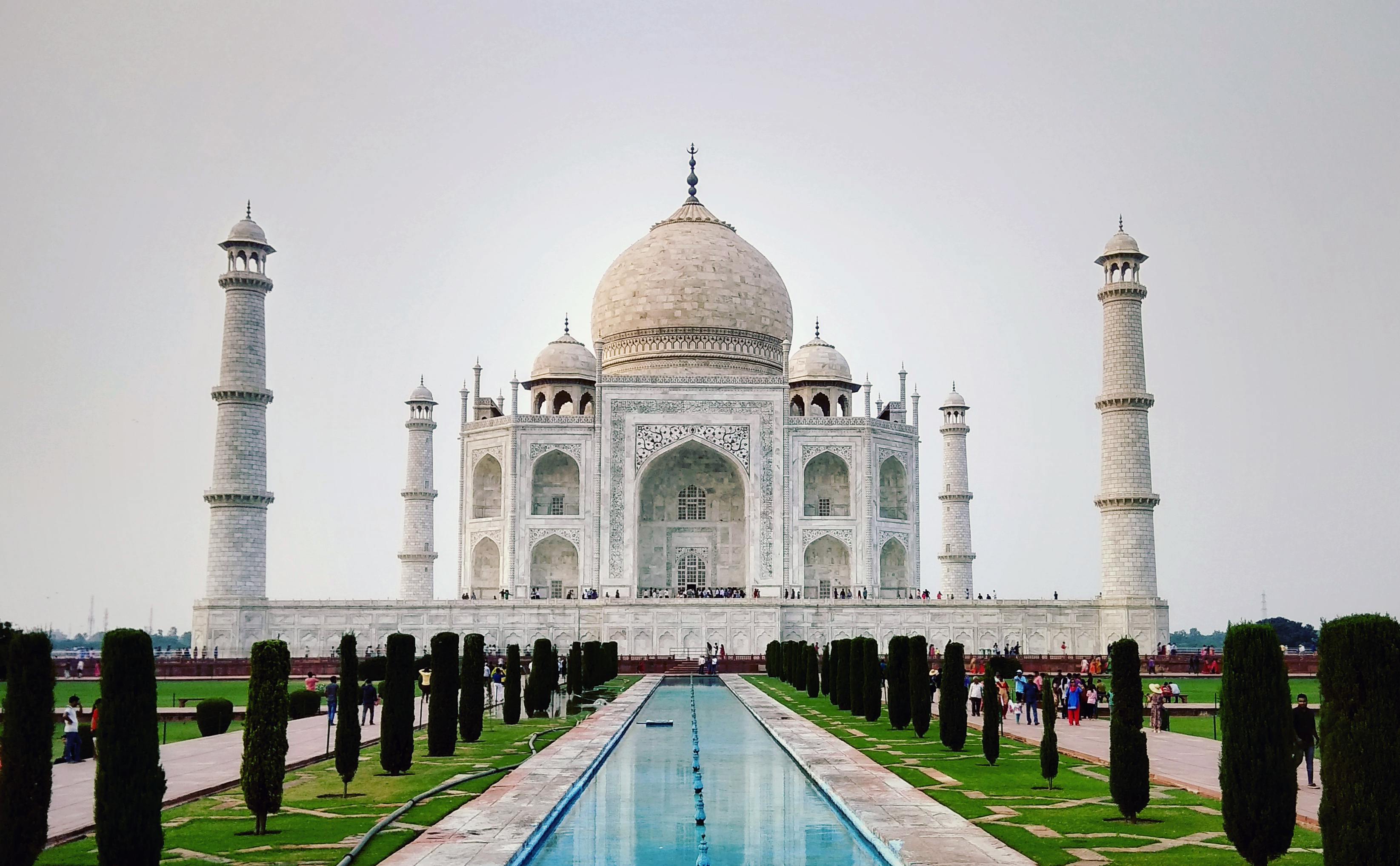
Taj Mahal
A UNESCO World Heritage Site and one of the Seven Wonders of the World. Built by Emperor Shah Jahan in commemoration of Mumtaz Mahal, it is known for its white marble elegance, symmetry, and shifting colors at sunrise and sunset.
Best Time to Visit the Taj Mahal
Sunrise for fewer crowds and brilliant light
Full moon nights for a unique viewing
Clear skies on winter mornings
Agra Fort
A massive red sandstone stronghold built by Akbar. Palaces, mosques, courtyards, and Musamman Burj are key attractions.
Itmad-ud-Daulah (Baby Taj)
Often considered a sketch of the Taj Mahal. Known for marble lattice work and intricate pietra dura art.
Mehtab Bagh
A riverside garden offering spectacular sunset views of the Taj Mahal.
Fatehpur Sikri
A former Mughal capital and UNESCO World Heritage Site located 40 km from Agra.
Main Highlights:
Buland Darwaza
Jama Masjid
Tomb of Salim Chishti
Panch Mahal
Shopping in Agra
Marble Handicrafts
Mini Taj models and ornate décor pieces.
Leather Goods
Agra is known for high-quality leather shoes and bags.
Petha
A translucent sweet made from ash gourd.
Top Foods to Try in Agra
Mughlai curries
Petha
Bedai & Jalebi
Paranthas
Dalmoth
Jaipur – The Royal Pink City
Amber Fort
A spectacular hilltop fort merging Mughal and Rajput design.
Key Highlights:
Sheesh Mahal
Diwan-i-Aam
Ganesh Pol
Maota Lake
City Palace
A royal residence with museums and courtyards.
Hawa Mahal
The “Palace of Winds,” built for royal women to observe street festivities.
Jantar Mantar
A UNESCO astronomical observatory.
Nahargarh Fort
Known for beautiful sunset views.
Jaigarh Fort
Home of the world’s largest wheeled cannon, the Jaivana.
Albert Hall Museum
Showcases Indo-Saracenic architecture and historic artifacts.
Markets and Shopping in Jaipur
Johari Bazaar
Jewelry, gemstones, kundan designs.
Bapu Bazaar
Textiles, block prints, souvenirs.
Tripolia Bazaar
Famous for lac bangles.
Chandpole Market
Traditional handicrafts and marble work.
Top Foods to Try in Jaipur
Dal Baati Churma
Ghevar
Laal Maas
Pyaaz Kachori
Ker Sangri
Rajasthani Thali
Golden Triangle Tour Itineraries
3-Day Itinerary
Day 1: Delhi – Red Fort, Jama Masjid, India Gate, Qutub Minar
Day 2: Agra – Taj Mahal, Agra Fort, Mehtab Bagh
Day 3: Jaipur – Amber Fort, City Palace, Hawa Mahal
4-Day Schedule
Day 1: Delhi sightseeing
Day 2: Taj Mahal + Fatehpur Sikri
Day 3–4: Jaipur highlights + shopping
5-Day Schedule
Day 1: Delhi
Day 2: Delhi–Agra
Day 3: Agra + Fatehpur Sikri
Day 4: Jaipur
Day 5: Jaipur sightseeing or cultural experiences
Additional Cultural Activities for Your Tour
Food Walk in Old Delhi
Explore traditional flavors and street delicacies.
Mohabbat-the-Taj Show in Agra
A cultural performance depicting the love story of Shah Jahan and Mumtaz.
Rajasthani Cultural Dinner at Chokhi Dhani, Jaipur
Enjoy folk performances, camel rides, and traditional meals.
Hot-Air Balloon Ride in Jaipur
Experience breathtaking aerial views of forts and landscapes.
Handicraft Workshops
Learn block printing, marble inlay, and blue pottery.
Tips for Golden Triangle Travelers
Dress Code
Wear modest clothing in religious places.
Safety Tips
Keep valuables safe; avoid isolated areas at night.
Guides
Licensed guides enhance understanding of historical sites.
Transportation
A private car with a driver is the most comfortable option.
Tickets
Book Taj Mahal tickets online to skip long queues.
Photography
Some monuments charge extra for camera usage.
Summary of the Golden Triangle India Experience
The Golden Triangle India Tour offers an incredible journey through the heart of India, where ancient history, royal dynasties, and cultural traditions blend beautifully. Each city—Delhi, Agra, and Jaipur—offers unique experiences. Whether you travel for food, culture, architecture, or photography, this circuit guarantees unforgettable memories and timeless stories.