Can I Add Ranthambore to a Golden Triangle Tour?
September 11, 2026
Can I Add Ranthambore to a Golden Triangle Tour?
India's Golden Triangle is one of the country's most popular travel routes, connecting Delhi, Agra, and Jaipur. The journey introduces travelers to historic monuments, Mughal architecture, royal palaces, colorful markets, traditional cuisine, and the diverse culture of northern India. However, many travelers want to experience more than the major cities. One of the best additions to this classic itinerary is Ranthambore National Park, a destination famous for its wildlife, forests, ancient ruins, and opportunities to see Bengal tigers in their natural environment.
So, can you add Ranthambore to a Golden Triangle Tour? Yes, absolutely. Ranthambore can be added to the traditional Delhi-Agra-Jaipur route, and it can make the journey more diverse and exciting. Instead of focusing only on history and architecture, you can combine famous monuments with wildlife safaris and nature experiences.
The main consideration is time. A standard Golden Triangle itinerary can be completed in around four to six days, while adding Ranthambore is more comfortable with at least six or seven days. If you have additional time, an eight-day itinerary allows you to explore Delhi, Agra, Jaipur, and Ranthambore at a more relaxed pace.
Why Add Ranthambore to Your Golden Triangle Itinerary?
Ranthambore offers a completely different experience from Delhi, Agra, and Jaipur. Delhi introduces travelers to India's historic capital and its mixture of old and modern culture. Agra is famous for the Taj Mahal and Mughal heritage, while Jaipur showcases Rajasthan's royal architecture, forts, and colorful markets.
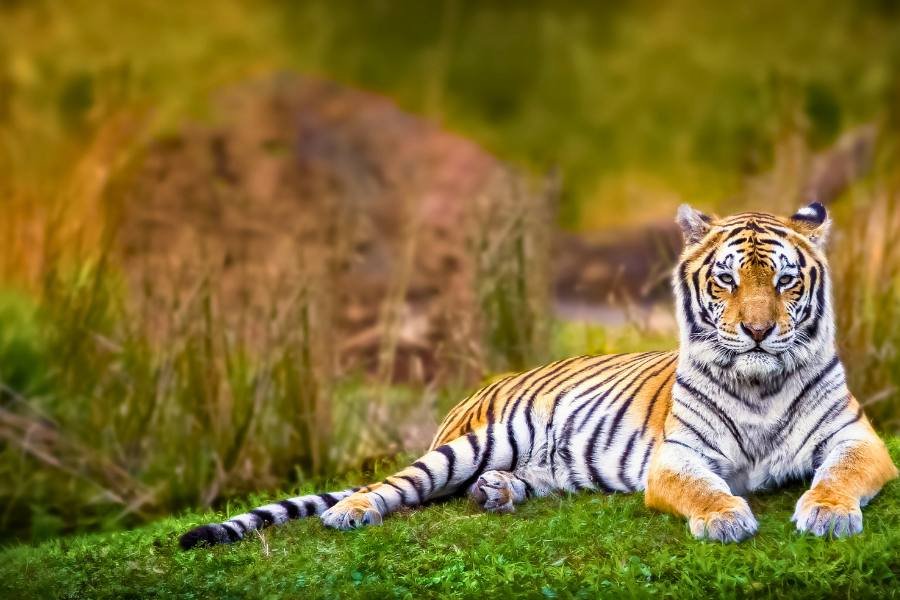
Ranthambore adds wildlife and nature to the journey. The national park is particularly well known for its tiger population, although wildlife sightings can never be guaranteed. Safaris can also provide opportunities to see leopards, sloth bears, crocodiles, deer, antelope, monkeys, birds, and other animals depending on the season and conditions.
The park also has a fascinating historical atmosphere. Ranthambore Fort stands within the wider landscape and adds another layer of history to the wildlife experience. This combination of ancient architecture and natural surroundings makes Ranthambore different from a typical national park visit.
For travelers interested in photography, wildlife, history, and outdoor experiences, adding Ranthambore can significantly enhance a trip through northern India.
Where Is Ranthambore Located?
Ranthambore is located in Rajasthan and is generally incorporated into the route between Agra and Jaipur. This makes it a practical addition to a Golden Triangle itinerary, although the exact route depends on your starting point and the number of nights available.
One common route is Delhi to Agra, followed by Ranthambore and then Jaipur. Another possibility is Delhi to Agra, Jaipur, and then Ranthambore, particularly for travelers who want to finish their journey with a wildlife experience.
The best route depends on your transportation arrangements, safari schedule, hotel availability, and departure plans. Since safaris operate at specific times, it is important to plan your transportation around your confirmed safari bookings rather than simply estimating travel times.
How Many Days Do You Need?
The amount of time required depends on how deeply you want to explore each destination. A very fast itinerary can include Ranthambore, but it may leave little time for relaxation.
6-Day Itinerary
A six-day itinerary can work for travelers with limited vacation time. You could spend one or two days in Delhi, one day in Agra, one or two nights in Ranthambore, and one or two days in Jaipur.
This schedule covers the principal attractions but can feel busy because travel between destinations takes time.
7-Day Itinerary
Seven days provides a better balance. You can enjoy Delhi, visit the Taj Mahal and Agra Fort, spend a night or two in Ranthambore, and explore Jaipur without constantly rushing from one attraction to another.
For many travelers, this is a practical duration because it provides enough time for the major highlights while still fitting into a typical holiday.
8 Days or More
If you have eight days or more, the itinerary becomes significantly more comfortable. You can add multiple safari drives in Ranthambore, spend more time exploring Jaipur, and enjoy Delhi and Agra at a slower pace.
Additional time is particularly valuable for wildlife enthusiasts because seeing animals in a national park depends on nature and chance. One safari does not guarantee a tiger sighting, so staying longer provides more opportunities.
Suggested Delhi, Agra, Ranthambore and Jaipur Itinerary
Day 1: Explore Delhi
Begin your journey in Delhi. Depending on your arrival time, explore some of the city's most important landmarks, such as India Gate, Humayun's Tomb, Qutub Minar, or the Red Fort.
You can also explore Old Delhi for a more traditional experience. The narrow streets, historic buildings, local markets, and food culture provide a fascinating contrast to the modern areas of the capital.
Day 2: Delhi to Agra
Travel from Delhi to Agra in the morning. Once you arrive, visit Agra Fort and explore the city's Mughal heritage.
If time permits, you can also visit another attraction such as Itmad-ud-Daulah or Mehtab Bagh. Spend the night in Agra so that you can visit the Taj Mahal early the following morning.
Day 3: Taj Mahal and Travel to Ranthambore
Start the day with an early visit to the Taj Mahal. The monument is the highlight of Agra and deserves enough time for sightseeing, photography, and appreciating its architectural details.
After breakfast and checkout, continue toward Ranthambore. Depending on your transportation and route, the journey can take a substantial portion of the day, so keeping the evening relatively relaxed is recommended.
Day 4: Ranthambore Safari
Dedicate the day to wildlife experiences. A typical safari takes place in a designated zone of the national park, where visitors travel in an authorized safari vehicle with a trained naturalist or guide.
Early morning and afternoon safari drives are common, subject to the park's operating schedule and seasonal regulations. Each safari offers a different experience because wildlife movements are unpredictable.
In addition to tigers, you may encounter deer, antelope, crocodiles, monkeys, birds, and other wildlife. The landscape itself is an important part of the experience, with forests, lakes, grasslands, rocky terrain, and historic ruins creating a dramatic setting.
Day 5: Second Safari and Travel to Jaipur
If your schedule and safari availability permit, take another safari in the morning. A second safari gives you another opportunity to observe wildlife and explore a different part of the park.
Afterward, travel toward Jaipur. Once you arrive, check into your hotel and spend the evening relaxing or exploring a nearby market.
Day 6: Explore Jaipur
Spend the day discovering Jaipur's famous attractions. Amber Fort is one of the major highlights and offers impressive views and architecture.
You can then explore the City Palace, Jantar Mantar, and Hawa Mahal. Jaipur is also an excellent destination for shopping, with markets offering textiles, handicrafts, jewelry, traditional clothing, decorative items, and souvenirs.
Day 7: Jaipur and Departure
Use your final morning for additional sightseeing, shopping, or relaxation depending on your departure schedule. Travelers with evening flights or trains have more flexibility to explore before leaving.
This itinerary can be adjusted according to your interests and the amount of time available.
How Many Safaris Should You Book in Ranthambore?
There is no guaranteed number of safaris that will result in a tiger sighting. Wildlife is unpredictable, and even experienced guides cannot guarantee where an animal will appear.
However, booking more than one safari generally gives you additional opportunities to explore the park and observe wildlife. Two or three safari drives can be a good choice for travelers who are particularly interested in photography or wildlife.
Each safari may cover different zones and routes, depending on the park's regulations and availability. This variety can make multiple drives more rewarding than relying on a single visit.
Best Time to Add Ranthambore to Your Trip
The ideal travel period depends on what you want to experience. Wildlife enthusiasts often plan their visit around the months when safari conditions and animal visibility are considered favorable, while travelers who want a broader India itinerary may prefer the cooler season for comfortable sightseeing across Delhi, Agra, Jaipur, and Ranthambore.
Rajasthan and northern India can experience high temperatures during the summer months. Outdoor sightseeing can therefore be demanding during the hottest part of the day.
Weather conditions can also affect travel comfort and wildlife experiences. Before booking, check current park operating schedules, seasonal restrictions, and local weather conditions.
How to Travel Between Agra, Ranthambore and Jaipur
Private car travel is one of the most convenient ways to combine Ranthambore with the Golden Triangle because it provides flexibility between destinations. A driver can pick you up from your hotel, take you to the next city, and accommodate reasonable stops along the route.
Train travel can also be useful for selected journeys, depending on the current schedule and availability. However, when safari timings are involved, door-to-door transportation can make itinerary planning easier.
Whichever option you choose, avoid creating unrealistically tight connections. Safaris operate according to fixed schedules, so arriving late can mean missing a valuable wildlife experience.
What Is the Best Route?
For many travelers, the most practical route is:
Delhi → Agra → Ranthambore → Jaipur → Delhi
This route creates a logical journey through northern India without requiring unnecessary backtracking. It also places Ranthambore naturally between Agra and Jaipur.
However, the best route can vary according to your arrival and departure cities. If you are flying out of Jaipur, for example, you can finish the trip there instead of returning to Delhi.
Is Ranthambore Suitable for Families?
Yes, Ranthambore can be an exciting addition for families. Children who enjoy animals and nature may find the safari experience especially memorable.
However, safari drives can be several hours long, and the experience takes place outdoors. Families should consider the ages of their children, their tolerance for long vehicle rides, weather conditions, and the possibility that wildlife sightings may be limited.
Families traveling with young children or older adults may prefer a slower itinerary with additional rest time between destinations.
What Should You Pack for Ranthambore?
Packing for Ranthambore requires some additional preparation compared with a standard city tour. Comfortable outdoor clothing, sunglasses, sunscreen, a hat, and comfortable shoes are useful.
- Comfortable walking shoes
- Lightweight and breathable clothing
- A warm layer during cooler mornings
- Sunscreen and sunglasses
- Hat or cap
- Camera and spare batteries
- Binoculars if available
- Personal medicines
- Reusable water bottle
- Small day bag
During cooler periods, early morning safari drives can feel surprisingly cold, so layers are useful.
Should You Choose a Private Tour?
A private itinerary can be particularly useful when combining several destinations because transportation, hotel stays, sightseeing, and safari arrangements need to work together.
Private travel also allows you to customize the pace. You can spend additional time in Jaipur if you enjoy architecture and shopping, or dedicate more time to Ranthambore if wildlife is your primary interest.
When selecting a tour provider, check the itinerary carefully and confirm what is included. Ask about transportation, accommodation, safari permits, guide services, meals, monument tickets, and other charges before booking.
Golden Triangle and Ranthambore: Is It Worth the Extra Time?
Adding Ranthambore to a Golden Triangle Tour is worth considering if you want more variety from your Indian holiday. The traditional route focuses heavily on architecture, history, culture, and city sightseeing. Ranthambore introduces wildlife, nature, photography, and outdoor adventure.
The combination can be particularly rewarding because each destination offers something different. Delhi provides urban culture and history, Agra delivers the Taj Mahal and Mughal heritage, Ranthambore adds wildlife, and Jaipur showcases the royal traditions of Rajasthan.
The key is to allow enough time. Trying to squeeze Ranthambore into an already packed itinerary may make the trip unnecessarily tiring.
Common Mistakes to Avoid
One of the biggest mistakes is assuming that a tiger sighting is guaranteed. Ranthambore is a wild environment, and animals move freely. Enjoy the entire safari experience rather than focusing exclusively on seeing one species.
Another mistake is booking a safari without considering the rest of your transportation schedule. Always allow enough time to reach your hotel and safari meeting point.
Travelers should also avoid packing an excessive number of destinations into a short itinerary. Delhi, Agra, Jaipur, and Ranthambore already provide a substantial travel experience. A comfortable pace is usually more enjoyable than trying to add several additional cities.
Frequently Asked Questions
Can I visit Ranthambore during a Golden Triangle trip?
Yes. Ranthambore can be incorporated into the route between Agra and Jaipur, making it a popular extension for travelers who want to combine heritage sightseeing with wildlife.
How many days are ideal for the trip?
Six or seven days can cover the major highlights, but eight days or more provides a more relaxed experience and allows additional safari opportunities.
Is one safari enough?
One safari can provide an exciting introduction to the park, but multiple safaris give you more opportunities to observe wildlife and experience different areas of the park.
Can I visit Ranthambore without staying overnight?
It is technically possible to plan a very short visit, but an overnight stay is generally more practical because safari schedules require travelers to be available at specific times.
Is Ranthambore worth visiting if I don't see a tiger?
Yes. The park offers much more than tiger sightings. Its landscapes, birds, deer, crocodiles, monkeys, historic ruins, and overall atmosphere make the safari worthwhile even when a tiger does not appear.
Conclusion
Adding Ranthambore to a Golden Triangle Tour is an excellent way to create a more diverse Indian travel experience. Instead of visiting only major cities and monuments, you can combine Delhi's history, Agra's Mughal architecture, Jaipur's royal heritage, and Ranthambore's wildlife and natural landscapes.
A six- or seven-day itinerary can cover the main highlights, while eight days or more gives you greater flexibility and additional opportunities for safari experiences. The most practical route for many travelers is Delhi, Agra, Ranthambore, and Jaipur, although the itinerary can be customized according to your arrival and departure arrangements.
Whether you are traveling as a couple, family, group of friends, or solo traveler, Ranthambore can add an exciting dimension to your northern India adventure. Plan your safari in advance, allow sufficient time between destinations, and keep your expectations realistic about wildlife sightings.
With thoughtful planning, combining India's famous Golden Triangle destinations with Ranthambore can turn a traditional cultural journey into a memorable adventure that brings together history, architecture, wildlife, photography, and the vibrant character of Rajasthan.